

Story contributed by Kristen
Click here for the theological background of Matthew 11-12; Luke 11.
Remember, repetition helps children internalize and make connections. It might be a good idea to read the same story every day for a week. You can add different activities every day.
“Come to me, all you who are weary and burdened, and I will give you rest. Take my yoke upon you and learn from me, for I am gentle and humble in heart, and you will find rest for your souls. For my yoke is easy and my burden is light.”
Matt 11:28-30, NIV
Jesus walked, and he walked, and he walked. He went from place to place and wherever he went, he saw people who were in pain, who were sad, or lonely, or left out. He invited them into God’s love. Often, he healed people.
Some people who saw Jesus healing followed him and believed that he was the Son of God. They hoped that he was the messiah they had been waiting for, the messiah who might set them free and restore the kingdom of Israel. Some people followed him because they loved him and they wanted to be close to him.
But some people were afraid of what Jesus was saying and doing. They read the very same scriptures that Jesus read, and they didn’t agree with what Jesus thought the scriptures were saying. They did not like that Jesus said he was the Son of God. They were worried that they needed to stop Jesus, because what if he wasn’t the Son of God? What if he was just pretending? Wouldn’t the real Son of God be angry? Wouldn’t God punish them? So they worked hard to stop Jesus, and to convince other people that what Jesus was doing was wrong.
These people were trying their best to do what was right. But it was hard for them to open their hearts and listen to Jesus. It was hard for them to accept Jesus’ mission of love, or to see that his miracles were messages of love. They were too worried about doing the right thing.
Does that ever happen to you? It happens to me! Sometimes it’s hard to listen. Sometimes the voices in our heads are very loud, saying that we’re not very important, or that no one could love us unless we show that we’re worth it. It can be hard to relax into love and let it wash over us.
Jesus was upset because some of the people who disagreed with him were powerful leaders, and Jesus felt that they were making life harder for people who were already tired and hurting. He was angry that people who had power weren’t using it to help others. You already know that Jesus always looked for people who felt left out so he could invite them back into God’s love. He wanted everyone to have a place at God’s feast.
And you know what? I think Jesus knew that the people who didn’t like him or agree with him were still good people trying their best. He disagreed with these people a lot, and he always stood up for what he believed in and for those who were left out, but he still taught that everyone is welcome at God’s feast, even people who think differently than him. He never stopped teaching that, even when people hurt him and made fun of him and even killed him.
One evening, after a long day of disagreeing, Jesus looked at the crowd of people around him. Some of them thought he was the Messiah, the Son of God. Some of them were angry with him and wanted him to fail and to stop doing his work. He looked into their faces and he saw children of God. He said,
“Come to me, all you who are weary and burdened, and I will give you rest. Take my yoke upon you and learn from me, for I am gentle and humble in heart, and you will find rest for your souls. For my yoke is easy and my burden is light.”
Who do you think he was talking to? Do you think after that he said, “except people who disagree with me. You are not welcome.”?
Jesus looked into angry faces and he looked into hopeful faces and he looked into loving faces and he looked into scared faces and he saw that everyone, everyone, everyone was weary. Everyone had a burden to carry. And he remembered that his mission wasn’t to argue about little things, it was to invite everyone to God’s feast of love. And he remembered the next part of his mission, the part he was getting ready for: feeling the burdens of life. He knew that even after he died, he would be reaching out to life with arms of compassion, saying “come to me, rest with me, let me see you.”
Jesus reached out his arms, as though he could wrap everyone up in his embrace, and said it again: Come to me, weary ones. Rest with me. My way is gentle. My hands will not hurt you. I will heal your hearts.
Ideas for Play
Contributed by Kristen
We are choosing to focus on just one scripture this week because we feel that it is so important and rich. There are lots of ways to think about these verses and to interpret them, and there is no one correct way to read them. Here are some ideas for getting inside them:
Come Unto Me
- How can we come to Jesus?
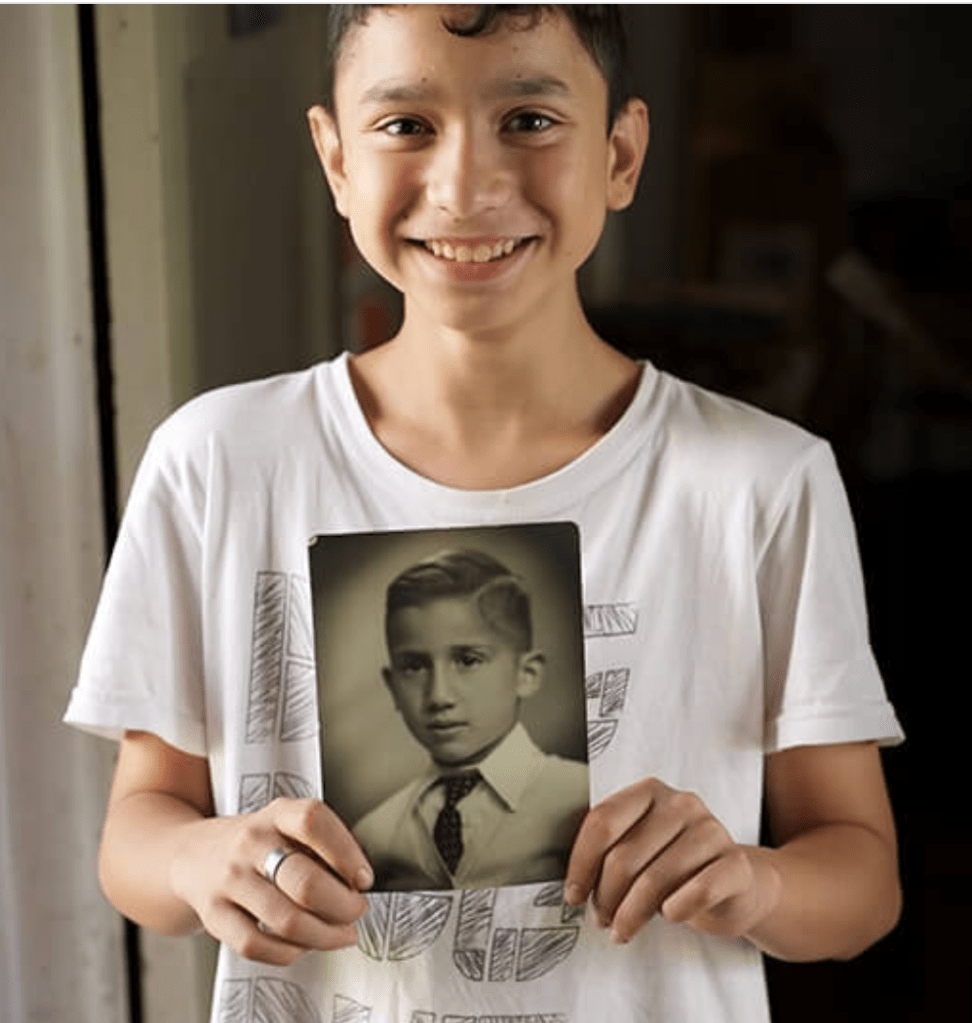
- Tell personal or family stories about coming to Jesus and finding comfort. Find pictures to accompany the stories.

- Write the scripture and then brainstorm ideas. Surround the scripture with ideas about coming to Jesus.
My Yoke is Easy

- Create a “yoke” with a scarf or a piece of fabric. Practice tying yourselves together, then tie yourselves to something to carry (a basket, a wagon, etc.). How does it feel to be yoked together? Does it make pulling easier?
- What does it mean that Jesus’ yoke is easy?
Find Rest
- What does it mean to find rest to your soul? What if the hurt or the pain doesn’t go away?
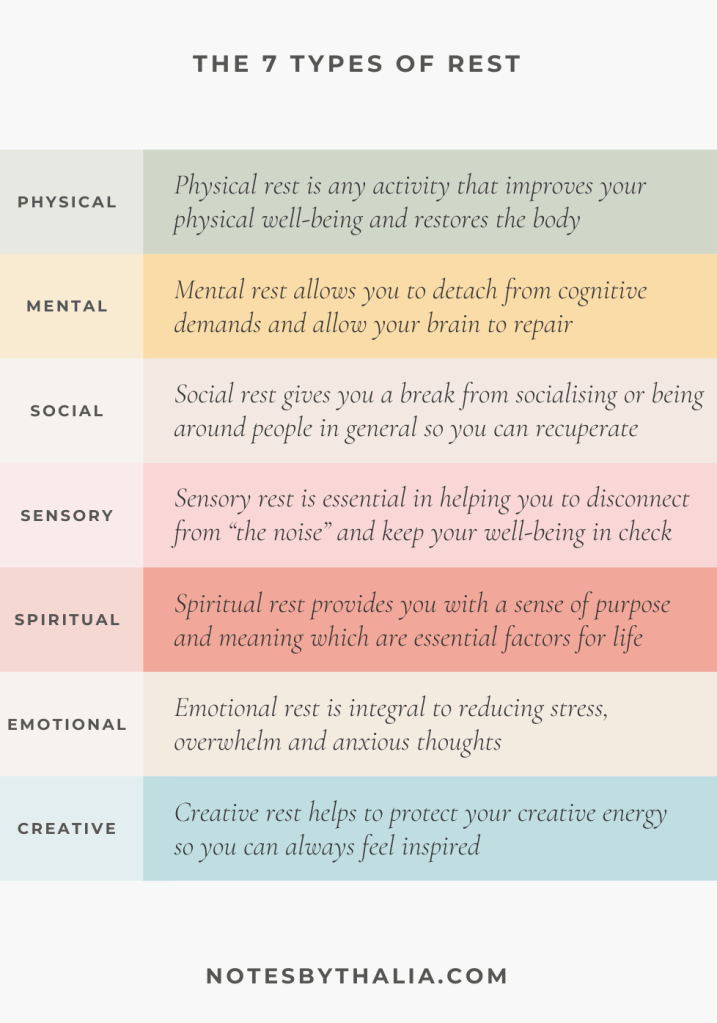
- What things help you feel rested? What kinds of rest do you need, and how could coming to Jesus help? Draw or write them down. A collage would be great!
Art
Compiled by Caroline

This week’s painting comes from the famous religious painter, Carl Bloch. He was an academic Danish painter who studied at the Royal Danish Academy of Fine arts and was also trained in Rome under the Italian masters. This specific painting, Christus Consolator, is a large painting that stands over six feet tall, making the figure of Christ larger than life. His arms are outstretched in welcome, while all the figures surrounding him are looking to him—except the small child. This child acts as a reminder that we must all become as a little child to enter His rest.
Here are some questions to explore with your child:
Where is Jesus? Why are his arms open? What emotions are on the faces of the people around him (could go one by one and name emotion)? What colors do you see? What textures? Who came to Jesus in this painting (could point out the widow, prisoner, and child)? Why do you think the artist chose to put these people close to Jesus? What is your favorite part of this painting?
Poetry
Compiled by Caroline
These two poems continue our meditation on the theme of rest.
The first is by George Macdonald (1824-1905), a Scottish novelist and preacher. His poem ponders on the idea that tumult and fear cannot enter into our hearts when they are at rest in Christ.

Excerpt from Rest by George Macdonald
IV
Who dwelleth in that secret place,
Where tumult enters not,
Is never cold with terror base,
Never with anger hot.
For if an evil host should dare
His very heart invest,
God is his deeper heart, and there
He enters in to rest.
When mighty sea-winds madly blow,
And tear the scattered waves,
Peaceful as summer woods, below
Lie darkling ocean caves:
The wind of words may toss my heart,
But what is that to me!
Tis but a surface storm-thou art
My deep, still, resting sea.
The second poem is by the American writer, Wendell Berry. Berry deeply values the earth and our relationship with it, which is an essential element in his writing. In this poem, Berry ponders on how the natural world can help us experience true grace and rest.

The Peace of Wild Things by Wendell Berry
When despair for the world grows in me
and I wake in the night at the least sound
in fear of what my life and my children’s lives may be,
I go and lie down where the wood drake
rests in his beauty on the water, and the great heron feeds.
I come into the peace of wild things
who do not tax their lives with forethought
of grief. I come into the presence of still water.
And I feel above me the day-blind stars
waiting with their light. For a time
I rest in the grace of the world, and am free.
Music
Compiled by Caroline
Each of these songs meditates on the theme of resting in the Lord. The first three pieces are acoustic and the last is classical.
 milk & honey mamas
Leave a comment