
Story contributed by Kristen
Click here for the theological background of John 7-10
Remember, repetition helps children internalize and make connections. It might be a good idea to read the same story every day for a week. You can add different activities every day.
“Whether he be a sinner or no, I know not: one thing I know, that, whereas I was blind, now I see.”
John 9:25
Have you ever heard the word sin? What does it mean?
You may have heard that sin is doing something wrong, or choosing not to do good. But let me tell you something really important, something I want you to remember and never forget: making mistakes is normal. We all do it! We all mess up and need to try again. But making mistakes does not make you bad, or dirty, or unloved. No way. Nothing can ever do that, because you are good. You are good from your head to your toes and from your belly button to your appendix to your beating heart.
Sin is something that hurts you and hurts other people. Sin is like brokenness, like getting a cut or a scratch or a sliver. It’s painful. It’s hard to live with. And we do it because we’re not sure if we’re really worthwhile.
Jesus talked a lot about brokenness, and people hurting. It mattered a lot to him, people wondering if they were worthwhile. He didn’t want to punish people or make them feel bad, he wanted them to know that they were invited to God’s big feast.
So let me tell you a story.
One day, the leaders of the Judeans were trying to trick Jesus. They set a trap for him. Only they didn’t do it in a very fair or kind way. They used real people with feelings. These people, a man and a woman, had done something wrong. They had broken a rule in Jewish law. I don’t know why they broke the rule, but I do know that most of the time people who break rules are hurting inside. But they had broken a rule, and the leaders knew it. They didn’t really care about the people who had broken a rule, they weren’t interested in helping them or listening to them, they just wanted to trick Jesus. So here’s what they did.
They brought the woman to Jesus. I don’t know why they didn’t bring the man. Then they said, “rabbi, this woman has broken a rule. She is dirty. The law says that we should throw stones at her until she has died. What do you say?”
If Jesus said yes, he would be in trouble with Rome. If he said no, he would be in trouble with the scriptures! What do you think he did?
He knelt down, right by the woman. I wonder how she was feeling. I wonder what it felt like to be in the middle of all of those people who didn’t really care about her, who were debating whether or not to hurt her. Jesus knelt down, and he got out a stick, and he wrote in the sand. Then he looked up, and he said “anyone who has never made a mistake, go ahead and throw a stone at her.”
One by one, the leaders left. Soon, Jesus and the woman were alone. Jesus looked right into her face. “You are not dirty,” he said. And I think as he looked at her, he knew her story. I wish I knew her story, but I can only guess. I think Jesus knew about her, and what was hurting in her heart, and what made her life hard. He didn’t say much. He just said, “God does not judge you. Go home in peace”
…
Another day, Jesus was walking through the city. The day was hot and dusty. Jesus saw many people who were tired and sad and hurting. One of his disciples was very sad. Maybe it was Mary. She saw all the hurting people and she couldn’t understand it.
“Rabbi,” she asked, “is it because everyone is bad that sad things happen? Does God punish us if we don’t do all the right things?” She pointed to a man who was blind, which means he could not see. “Is that man blind because he did something wrong?”
Jesus looked at her kindly. “It makes me sad, too,” he said softly. “But it is no one’s fault. Let us see if we can help.”
He went over to the blind man and gently touched his shoulder. He talked to him in a quiet voice, so quiet the disciples could not hear what he said. Then he knelt down and spit in the dirt. When the dirt was wet, he gathered it up in his hands to make clay. Then he placed the clay on the man’s eyes. “You have never seen the earth, but she carries you,” Jesus said. “Go to the pool of Siloam. The water and the earth together will give your eyes new life.”
Jesus helped the man walk to the water, his eyes covered in homemade clay. Slowly, the man lowered himself in the water, first his feet, then his legs, then his hips, then his chest, and finally his head. Then he rose again, the water shimmering in the bright sun and dancing down his back. The clay on his eyes melted into the pool, and water fell down his cheeks as though he himself were filled to the brim.
“The water,” he cried out, his eyes seeing the blue pool and green trees and bright dappled sunshine for the first time, “life!”
Ideas for Play
Contributed by Kristen
Woman taken in adultery

- What can you do when you make a mistake? Discuss as a family
- Act out the story!
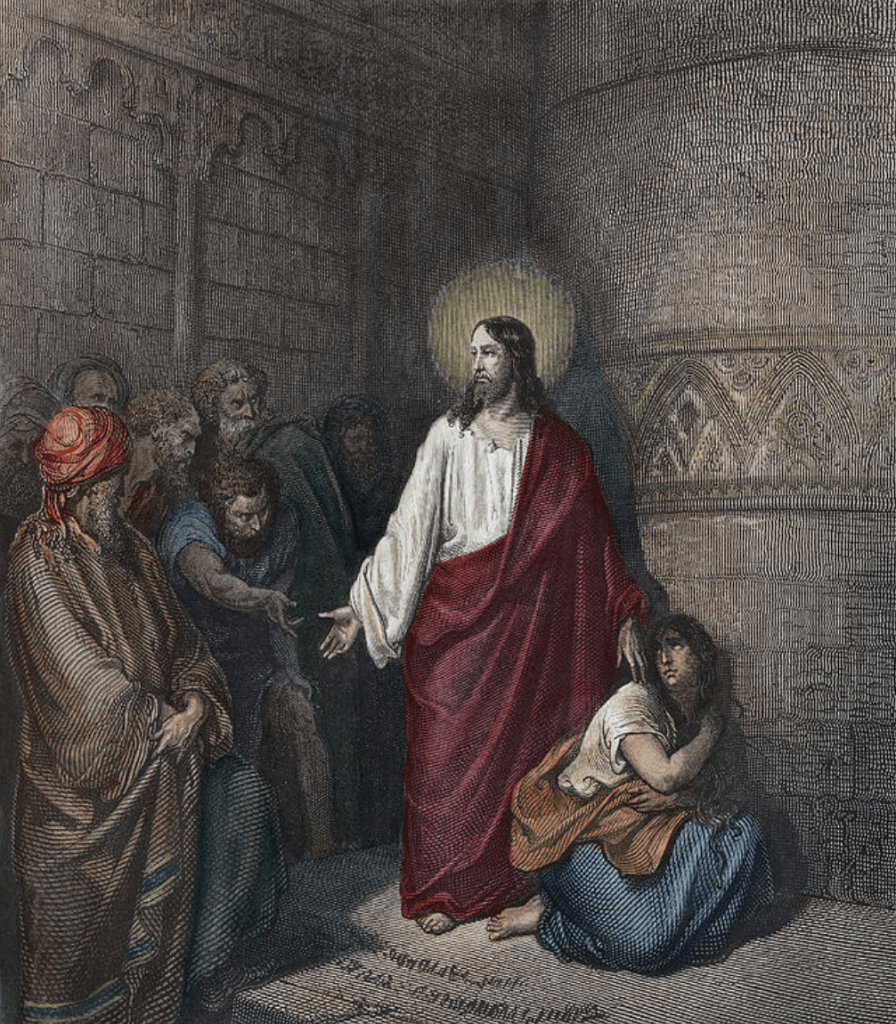
- Tell the story with pictures (find your favorites here or here and then lay them out. Kids can then use the pictures to tell the story themselves

- Read “The Woman Taken in Adultery” in Women of the New Testament
Jesus heals the blind man

- Act it out! Use play dough for the clay and a bowl of water for the pool
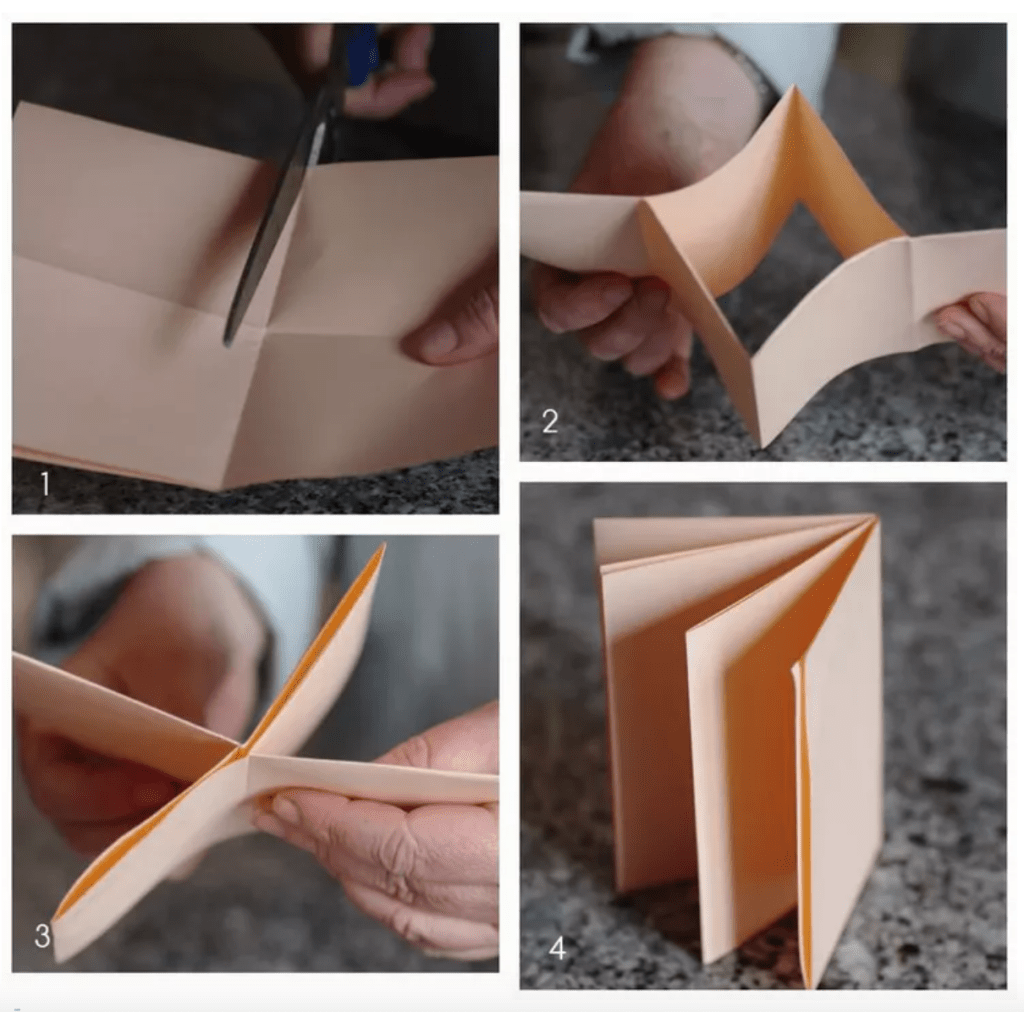
- Write and illustrate the story yourselves! Make a mini storybook to bring to church etc.

- Have a discussion about disability. How can we be like Jesus with our friends who are different from us? I’ll Walk with You by Carol Lynn Pearson might be helpful. For parents, this article about the story and disability theology might be informative.
Poem
Compiled by Caroline
This simple little poem is a great reminder that mistakes are a part of growth that leads to something even more beautiful than before.
As you read this poem, you could show your child a picture of a seed, a root, and then a flower to show the process of growth. You could also go outside and look at a flower while talking about how long it takes for a flower to grow. Just as we are patient for a flower to come into bloom, we can be patient with ourselves as we learn and grow.

I wonder did each flower know?
By Annette Wynns
I wonder did each flower know
As well as now just how to grow
In that far first early spring
When the world was made.
Or did they make mistakes as I
Make very often when I try
At first, and try again,—perhaps just so,
As you and I, they learned to grow.
Art
Compiled by Caroline

By Kathleen Peterson
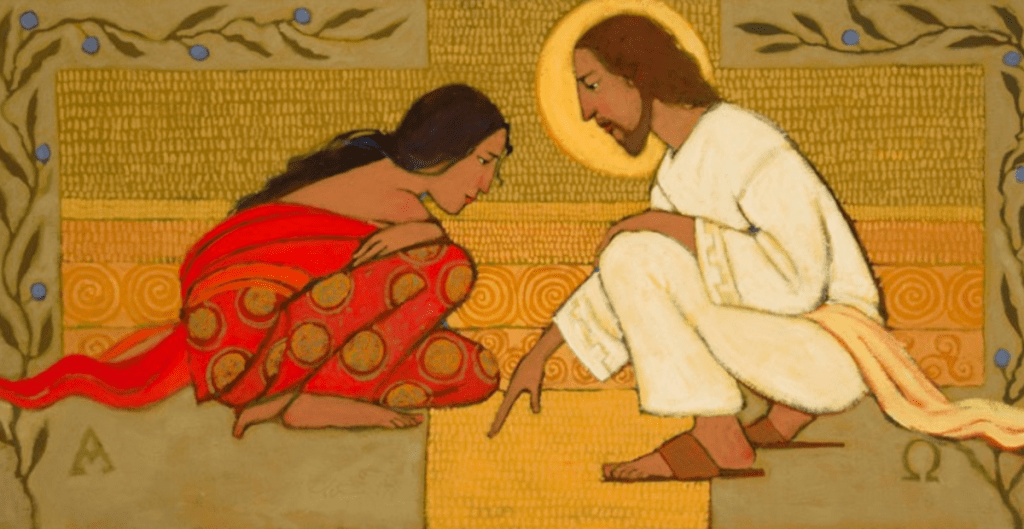
Where is the woman from our story? Where is Jesus? What do you think Jesus is doing? How do you think the woman feels? Why does Jesus have a halo of light around His head? What colors do you see? How does this painting make you feel?

By Rembrandt
Where is the woman from our story? Where is Jesus? How many people are in this crowd? How would it feel to have everyone in this crowd looking at you? How do you think the woman felt? How do you think Jesus felt? Where is this painting dark? Where is it light? What colors do you see? How does this painting make you feel?
Music
Compiled by Caroline
I chose this song because it reminds me that there is always a chance to change and that there is “a time for every purpose under heaven.” Some of the changes that took place for the woman caught in adultery and for the blind man took years to come into fruition. A change of heart, a change of sight—these “turnings” took time. I think it’s important as we contemplate big questions around sin and around healing that with God there is always more time available. More time to turn, more time to learn, more time to change. And regardless of how many mistakes we’ve made or how broken we feel, there is a time for every “turning.”

https://open.spotify.com/embed/track/3eFNRykgZuPJPaqOrNO0kF?utm_source=generator
 milk & honey mamas
Leave a comment