

Contributed by Kristen
For Parents
The Book of Mormon is unlike any other book of scripture. It is extremely difficult to classify. Some of the earliest biblical scholarship focused on archeological evidence and cultural relics, a project which has seen largely fruitless with the Book of Mormon. For some, this is troubling. We don’t know anything about the cultures and people whose lives are recorded in this book except what we find in the stories. Our ability to contextualize our scholarship, a practice which has been critical to other scriptural scholarship, is accordingly limited—and attempts to contextualize (for example, to identify Indigenous people as “Lamanites”) have been deeply hurtful and caused immense pain to some, even as they have been life-giving to others.
We do know that the Book of Mormon is an edited volume. The main editors have all been men. We don’t know what they chose to leave out of the book or why, but we know the text we have has been passed through numerous hands, all with their own hopes, fears, and assumptions. This includes the editor Joseph Smith, whose cultural and religious background necessarily shaped the way he received and retold the stories. Many have made the case for an overarching theme or purpose of the book, which may or may be helpful to appreciating it. But perhaps one of the most powerful aspects of the book is its mysteriousness. All who read it find different themes and meanings. It is the work of God, it is the work of humans. Does this make it less miraculous? I don’t think so. I think it makes it real.
In Buddhism, practitioners sometimes meditate on koans, complex and unanswerable riddles. One of the most famous, for example, is “what is the sound of one hand clapping?” The contemplation of mystery helps students to deeper insight and humility. I see the Book of Mormon, in some ways, as a koan. It is hard if not impossible to put it in a box to classify it. It is messy and sometimes aggravating. And it is ours—human gift and mystery.
I pray that I can read tenderly, with a forgiving heart. That I can have compassion both for the voices from the past and the voices of the present, interpreting. I pray that I can honor my life spark and each other’s, those I imagine in the pages of this remarkable text and those around me. I pray for gentleness, as I tread on that which is held sacred. I pray to know what to pray.
Amen.
What is the Book of Mormon?
For kids
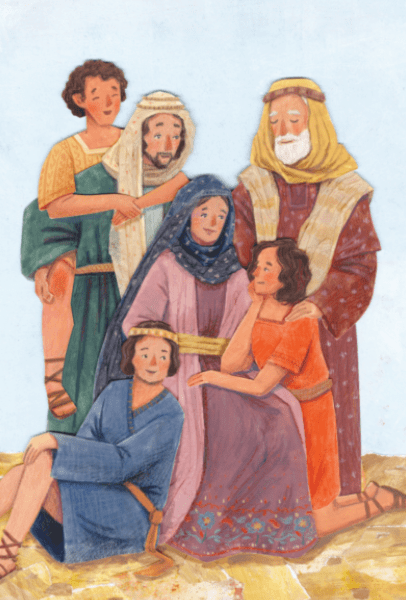
Come close, my little one, and I’ll tell you a story. This is a story about a land far away, and a time long ago. It is a story about a long journey, and a family that did not always get along. Sometimes it is a sad story. Sometimes it is very happy. It is a story about people, and that is how it is with people.
I love the people in this story. They are a lot like us. They tried to follow God and to hear God’s voice. They made mistakes and they hurt other. And God loved them through it all, just like God loves us.
Listen, we are starting their story.
Poetry
Compiled by Caroline
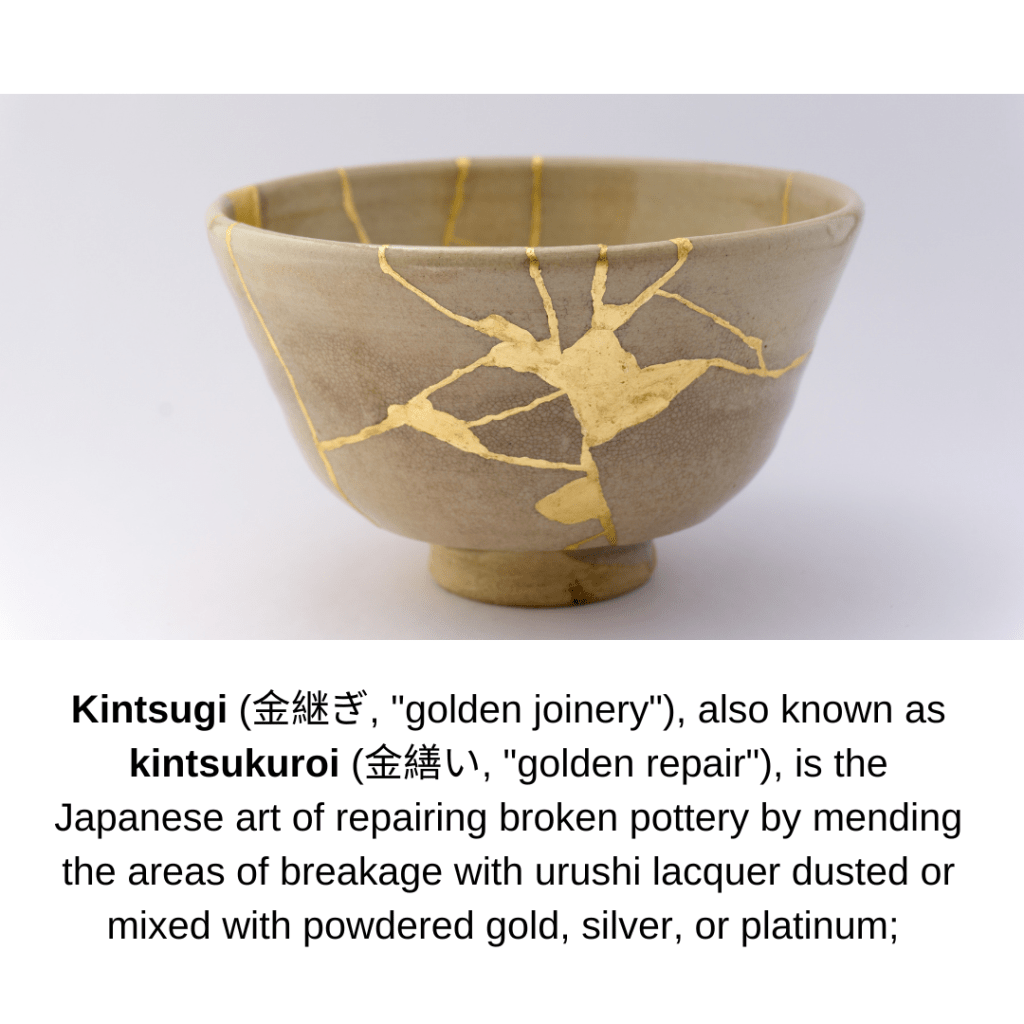
Kintsukuroi for Joseph Smith
by Darlene Young
Planted in farmdirt and manure, he faced eternity
and translated for us. Meeting of meat and light,
bucket, shovel, axe transubstantiated. Receiver,
transmitter, amplifier, he would bring us with him,
modulate us to a higher key. Yes, he was rough,
the course coupling, the intersection of dimensions
dirty and divine, the rustic needle on the holy
phonograph. But I can forgive the static;
who wants a perfect prophet? Hick and height,
scrub and scripture, limp and lamp, he was a handshake
with the heavens (callused hands, constellations unnumbered),
matter and antimatter. Not immaterial
his fumble and slop, his gimpy stuttering lope towards loft.
I need hist lusty, sloppy flaws; I am drab and itch myself.
I prefer a dusty plough. I’ll make my home here
among the homespun and angel feathers.
Music
Compiled by Caroline
Art
Compiled by Caroline
Artist Statement:
When Nephi asked the angel to know the interpretation of the tree from Lehi’s dream, the angel showed him Mary, the mother of Jesus. When Nephi saw the child in her arms, the angel asked “knowest thou the meaning of the tree which thy father saw?” and Nephi said “yea, it is the love of God which sheddeth itself abroad in the hearts of the children of men, wherefore it is the most desirable above all things.” Nephi learned the meaning of the dream when he saw a mother and her child. Likewise it is through loving relationships that a child comes to know the meaning of the love of God. The rod that leads us home is one made of flesh, not iron.
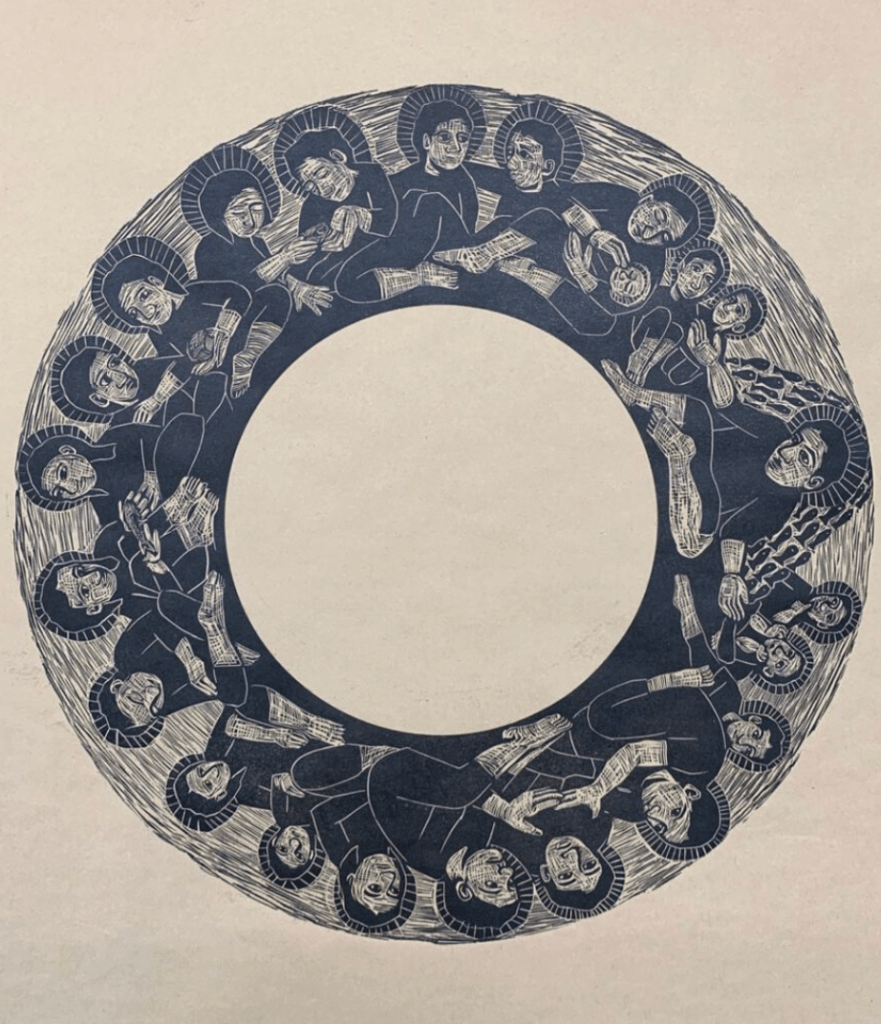
 milk & honey mamas
Leave a comment