

Theological background by Kristen
Jacob looks behind and speaks ahead. As Deidra Nicole Green writes, he is liminal. Born in the wilderness, he does not know a life in Jerusalem. But born in the wilderness, he does know an intact family. We can only guess how old Jacob was when his family ruptured. We can only guess at the relationship he had with the brothers, aunts, and their children whom he never sees again. Jacob is a contemplative writer, struggling to make sense of the life unfolding around him. He is deeply concerned about the moral state of the growing Nephite civilization, and is openly critical of their arrogance toward the Lamanites. He is also quite resistant to labeling groups of people, and coins “Nephite” and “Lamanite” only as a literary device for clarity.
Reading Jacob, we get a window into the lives of the Nephites. They appear to be a patriarchal society, which we expect from the Hebrew tradition they passed down. They do not appear to be monolithic in their religious adherence, however, which Jacob struggles with. The original family conflict between brothers has taken on a life of its own, causing ongoing division and fomenting hate. It is also fueling a racist attitude of superiority based on a mythic “curse,” which Latter-day Saints continue struggling to eradicate.
We hear from Jacob more than almost any Book of Mormon writer about the specific, family-based suffering of women and children. In this sense, it seems almost fitting to call Jacob a practical theologian. Jacob sees how what modern interpreters would call androcentric, patriarchal theologies are wounding women and children primarily affected by them. For him, these ideologies misconstrue the gospel he believes in, and he is vehemently opposed to practices which perpetuate this sort of damaging power.
Jacob is of course rooted in his own context, but his struggle with how the powerful manipulate theology for their own ends and how those ends impact the marginalized remains potent. What is theology until it is picked up, written, interpreted, translated, taught, and practiced? Who has the power to engage any one of those genesis points? Jacob believed in a pure theology from which he saw his people deviating. He spoke with feeling about the misuse of power which he saw wounding the powerless, and he struggled to articulate his vision of a salvific whole. We struggle, still, with Jacob.
Ideas for Play
Contributed by Kristen

- Read from the Book of Mormon storybook!
- Pick your favorite verses from Jacob and read them aloud. Illustrate them or create a collage.
- Have you ever had a conflict in your family? What happened? Discuss conflict and how your family deals with disagreements.
- Talk a bit about power. What does it mean to have power? For example, an older sibling has more physical power than a younger sibling. How do we use power well? How do we use power poorly?
- Discuss how Jacob felt sad that his people were making choices that were hurting others. Have you ever felt that way?

- Read: The Three Questions
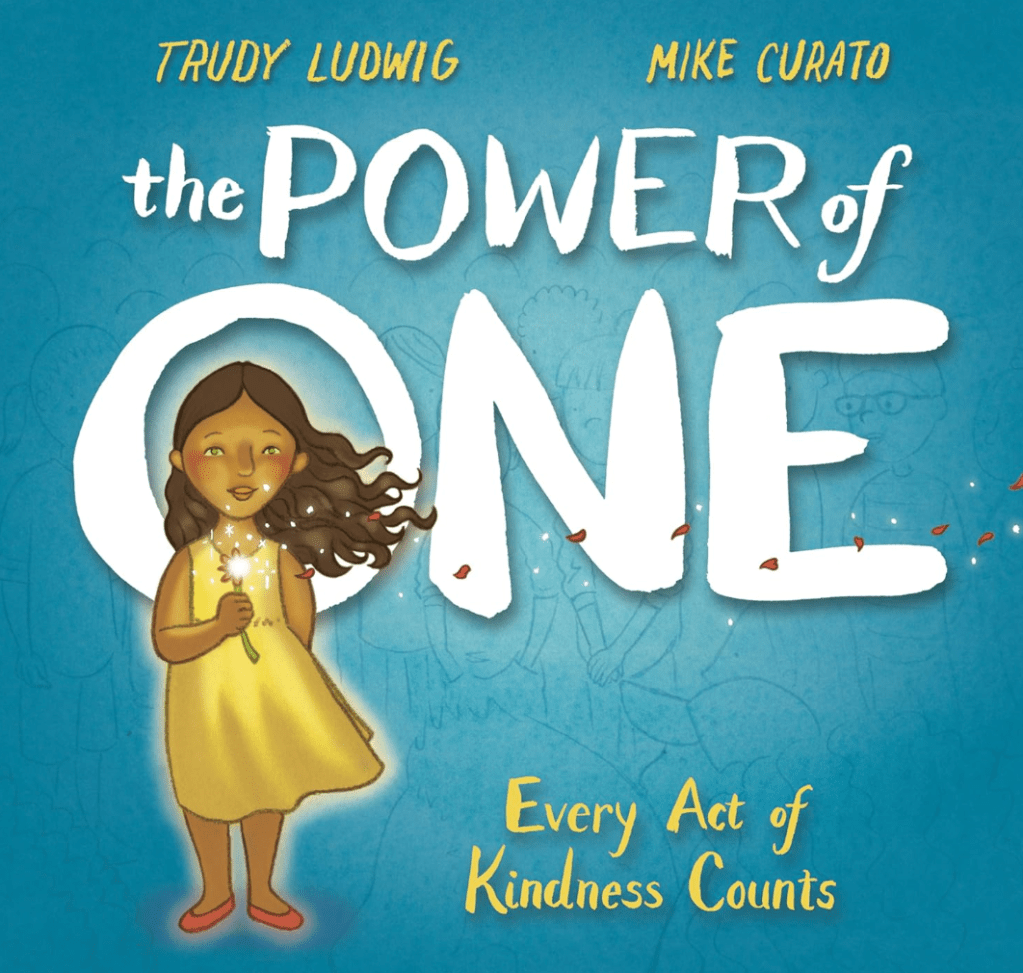
- Read: The Power of One
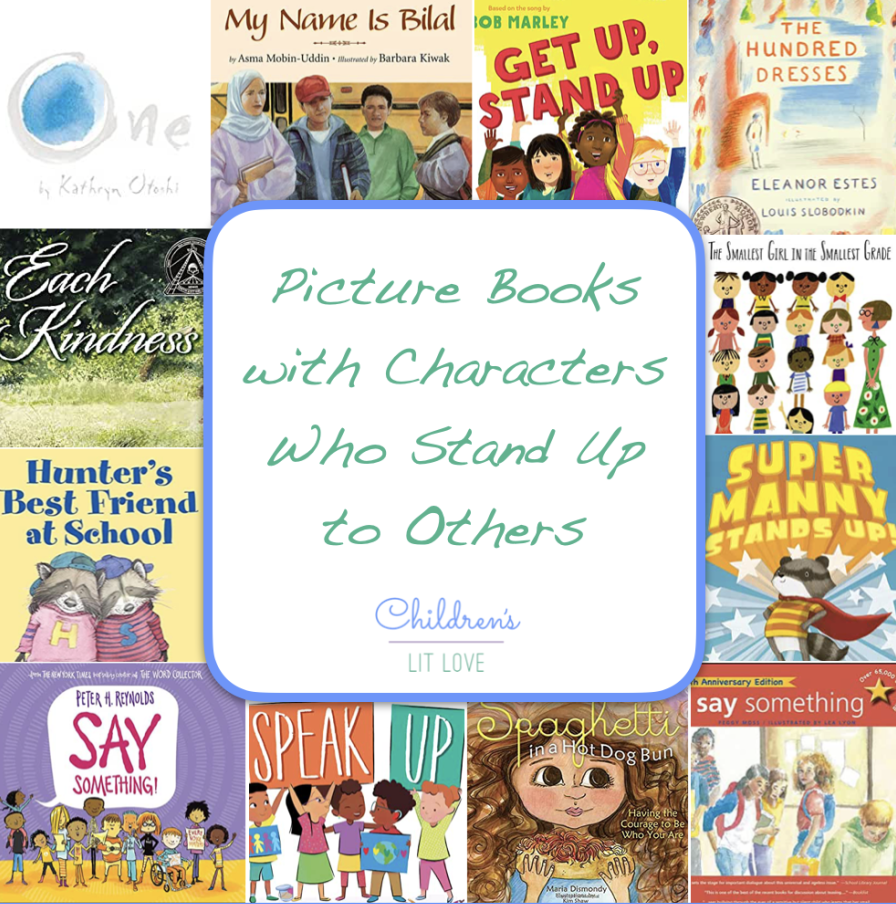
- Some ideas of books about speaking up for others
Art
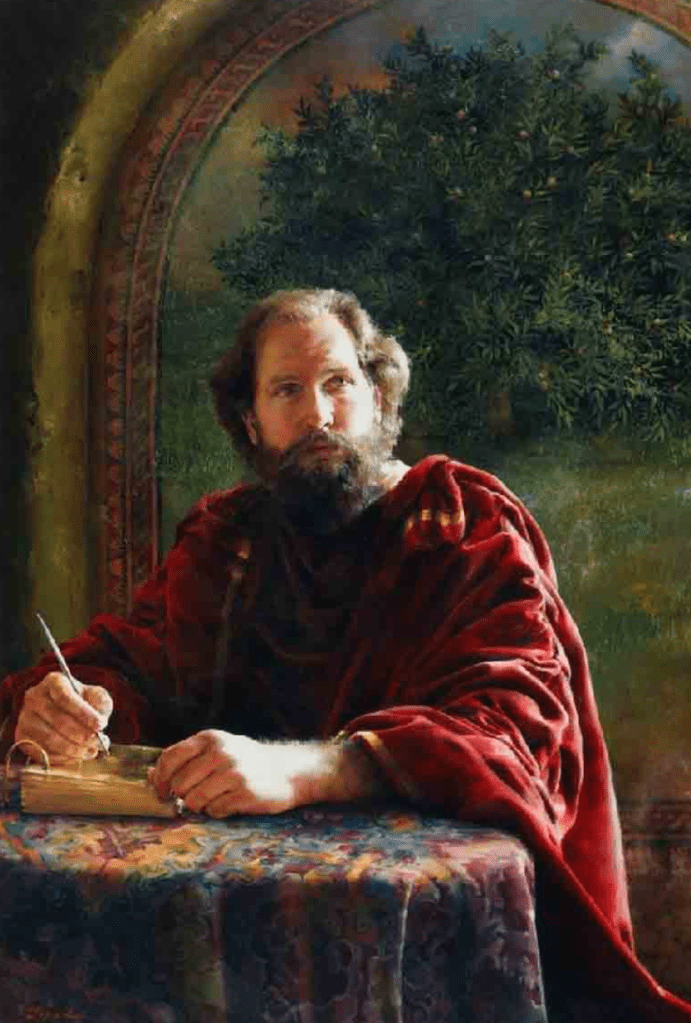
 milk & honey mamas
Leave a comment