
Theological Background by Kristen
Alma 30 contains the infamous story of Korihor, one of a trio of antiChrist villains in the Book of Mormon. Korihor’s story is complex and a little eerie; his success, trial, and finally ignominious death strike some discord to many of our sensibilities. The text also leaves questions unanswered, like who Korihor was and where he came from.
I’ve encountered more than one blog post exploring the uncomfortable feeling of agreeing with Korihor, knowing as we are supposed to know that he is a wicked antiChrist. Yet, some argue, he seems to make at least a few compelling points! Why was he shut down so vehemently? Why his social expulsion and seemingly unmerciful execution? What was so frightening about this man’s teachings? Let’s take a look at what we know of his philosophy:
O ye that are bound down under a foolish and a vain hope, why do ye yoke yourselves with such foolish things? Why do ye look for a Christ? For no man can know of anything which is to come.
Behold, these things which ye call prophecies, which ye say are handed down by holy prophets, behold, they are foolish traditions of your fathers.
How do ye know of their surety? Behold, ye cannot know of things which ye do not see; therefore ye cannot know that there shall be a Christ.
Ye look forward and say that ye see a remission of your sins. But behold, it is the effect of a frenzied mind; and this derangement of your minds comes because of the traditions of your fathers, which lead you away into a belief of things which are not so.
And many more such things did he say unto them, telling them that there could be no atonement made for the sins of men, but every man fared in this life according to the management of the creature; therefore every man prospered according to his genius, and that every man conquered according to his strength; and whatsoever a man did was no crime.
And thus he did preach unto them, leading away the hearts of many, causing them to lift up their heads in their wickedness, yea, leading away many women, and also men, to commit whoredoms—telling them that when a man was dead, that was the end thereof (Alma 30:13-18).
To summarize, Korihor seems to have a few main points:
- Hoping in Christ is unfounded and provides a false blanket of security
- The leaders of the church pretend to know the future to frighten and control, but in reality they are just manipulating for their own gain
- Death is the end, and people ought not live in fear of some postmortal judgment
- Don’t depend on an atonement, manage your own life and live it to the fullest
There is a lot here philosophically, paralleling important secular themes. But today, I am particularly interested in one little detail, glossed over in verse 18: “thus he did preach unto them … leading away many women …” (emphasis added). Why is this detail included? Why does the text (seem) to single out the fact that women specifically were drawn to Korihor’s words in opposition to their traditions of faith? What, in short, were women in particular drawn to in Korihor’s philosophy?
I am interested in this detail because a) I am always drawn to mentions of my sisters in a text that often obscures them and their experiences and b) because such a tiny detail beckons me to imagine the historical realities behind this text. My imagination kicks into high gear, trying to image the daily realities of a war-torn people. What did Nephite (or Lamanite) women do in times of war? Based on other war passages, we assume that only men served as warriors, and much of our attention, as directed by the text, thus focuses on the experience of battlegrounds, violence, bloodshed, and the traumas of combat. But what was it like to be left behind, waiting, watching, wondering how beloved husbands, fathers, sons, lovers, brothers, and family members fared in battle? How did women provide for themselves, and for each other? Who stayed behind to manage political affairs, or church affairs? And when the men returned, what were they like? What did war do to the beloved ones for whom great violence was required? In the joy of return, how did they mourn those whose bodies lingered, cold and still, on the fields haunted by the screams of the dying?
In my roundabout way, I am trying to imagine (and note that we can only imagine) the context in which Korihor enters the scene. It is a context of trauma, loss, and repair. These are a people picking up the pieces, making sense of the senseless, trying to right wrongs, and moving forward after witnessing and participating in some of the worst human beings can do to each other.
Why did women latch onto his words? What were they experiencing, post-war, possibly traumatized and grieving, that Korihor’s philosophy spoke to more than what they heard from their religious leaders? I am only imagining, wondering, drawing threads from a few words that may, at last, be a mere editorial glib. But it fills me with empathy to connect the experience of my sisters across the generations to the experience of so many other women who have tried to pick up the pieces after war and terror and trauma and horror in so many other places at so many other times across history. It fills me with empathy to think of the fragility of hope, the fear of misplaced hope, and the skepticism inspired by grief. It fills me with empathy to think of what, perhaps, wasn’t working theologically for some of these people, and why.
What do we do when hope feels fragile? What sustains our hope? What of Christ’s story manages to pull us from the anguish of despair, secure and anchored?
Ideas for Play
Contributed by Kristen

- Read the Book of Mormon storybook!
- Watch the Book of Mormon video about Korihor
- Read some articles contextualizing the story of Korihor, including a close look at some of the questions about him (this one about where he came from and how he might be connected to the Zoramites in chapter 31 and this one about some ancient parallels to contextualize his trial and execution)
- It may be appropriate to contextualize Korihor’s claim that he was instructed by “the devil,” which I find totally creepy and problematic. The above articles discuss his possible connections to the Zoramites and the possibility that the “angel” aka devil was a Zoramite, possibly even Nehor.
- Why do you think people believed Korihor? Why is it sometimes scary to believe in Jesus?
- What is vulnerability?
- Watch this video about embracing our vulnerability
- Is faith a kind of vulnerability? Why? How can faith become something hard and fearful instead of something vulnerable?
- Contextualize what was going on for people and why it might have felt safer to believe what Korihor taught
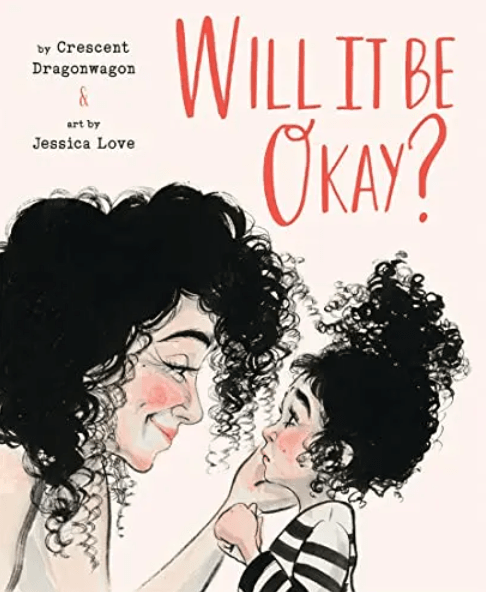
- Try this sweet book, Will it Be Okay?
Poetry
Compiled by Caroline
“Hope” is the thing with feathers
BY EMILY DICKINSON
“Hope” is the thing with feathers –
That perches in the soul –
And sings the tune without the words –
And never stops – at all –
And sweetest – in the Gale – is heard –
And sore must be the storm –
That could abash the little Bird
That kept so many warm –
I’ve heard it in the chillest land –
And on the strangest Sea –
Yet – never – in Extremity,
It asked a crumb – of me.
Artwork
Compiled by Caroline
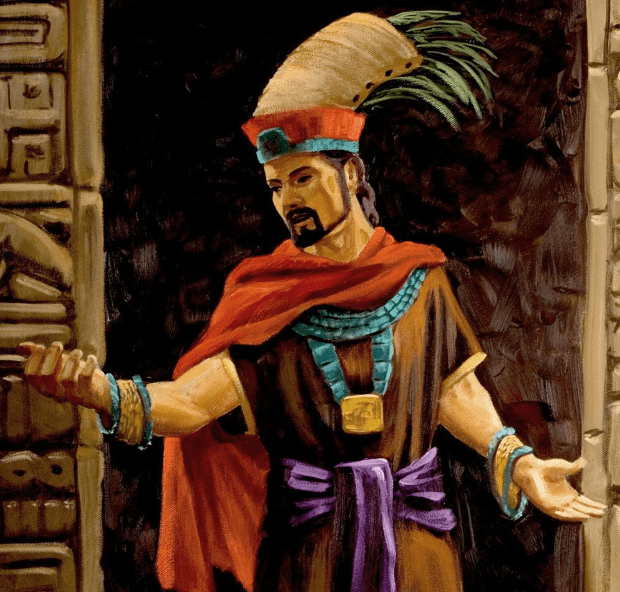
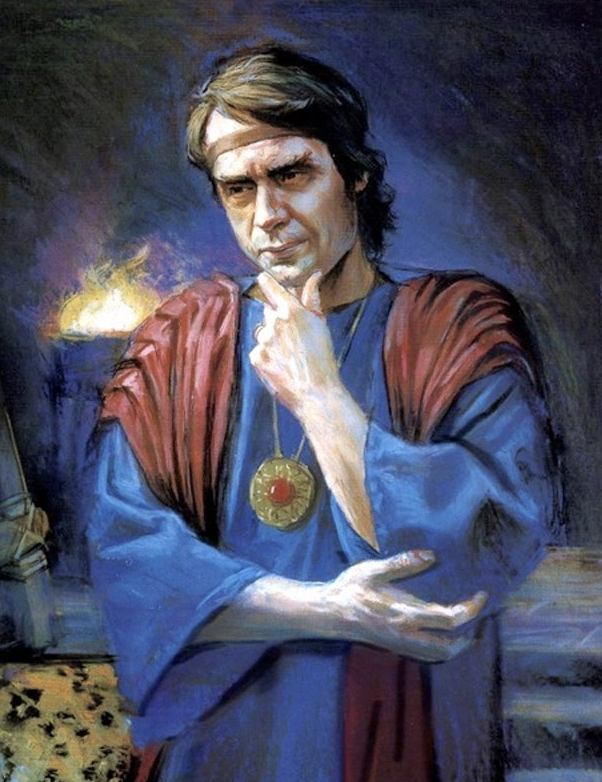
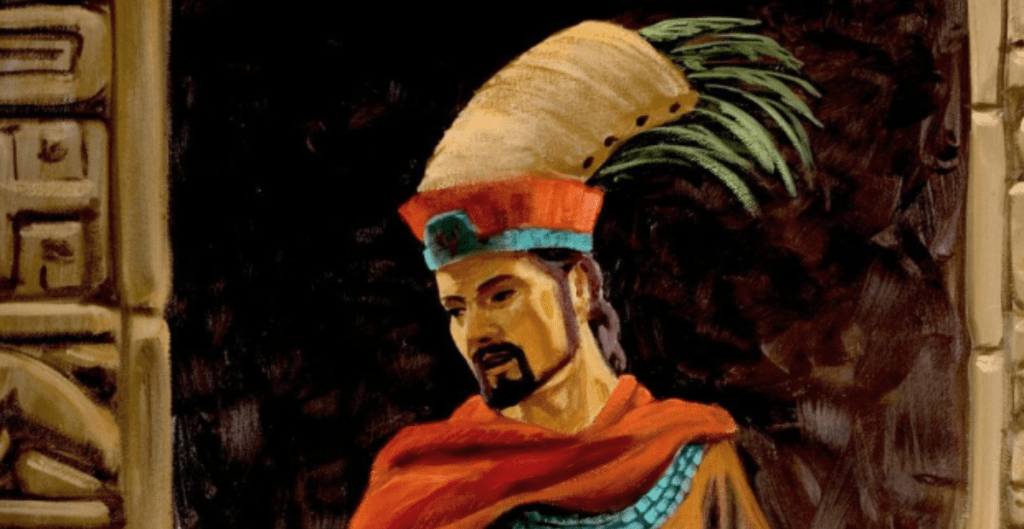
Scott McGregor Snow, Korihor. The Book of Mormon Art Catalog
Music
Compiled by Caroline
What Goes On, Elizabeth Mitchell
 milk & honey mamas
Leave a comment