
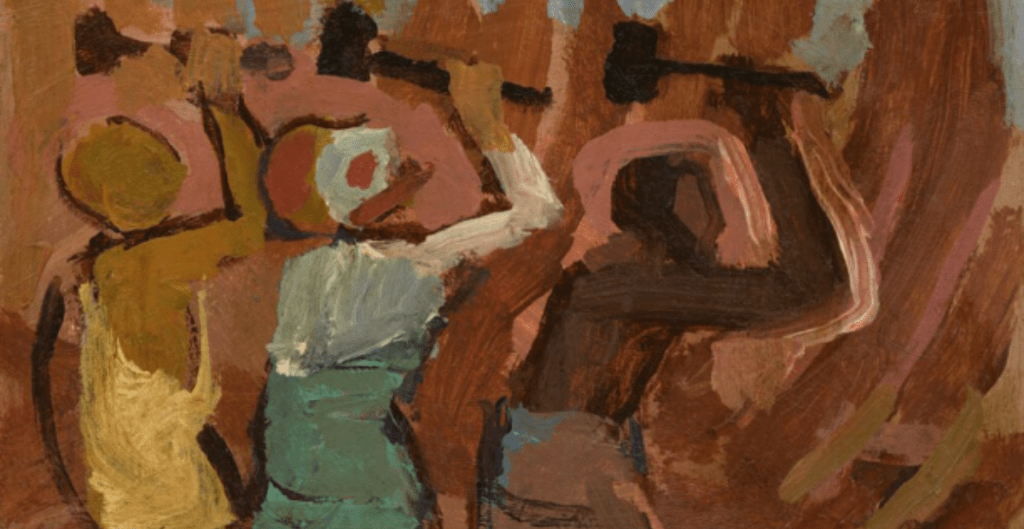
Contributed by Kristen
Here’s how the book of 4 Nephi starts:
And it came to pass in the thirty and sixth year, the people were all converted unto the Lord, upon all the face of the land, both Nephites and Lamanites, and there were no contentions and disputations among them, and every man did deal justly one with another. And they had all things common among them; therefore there were not rich and poor, bond and free, but they were all made free, and partakers of the heavenly gift. (4 Nephi 2-3)
And here’s how it ends:
And it came to pass that they who rejected the gospel were called Lamanites, and Lemuelites, and Ishmaelites; and they did not dwindle in unbelief, but they did wilfully rebel against the gospel of Christ; and they did teach their children that they should not believe, even as their fathers, from the beginning, did dwindle. And it was because of the wickedness and abomination of their fathers, even as it was in the beginning. And they were taught to hate the children of God, even as the Lamanites were taught to hate the children of Nephi from the beginning. (4 Nephi 38-39)
What happened? The narrator proclaims this to be a matter of rebellion, hinting that it is because of their ancestry that they turn away (“even as their fathers, from the beginning, did dwindle…”). In these final upheavals of the Nephite and Lamanite civilizations, we return to the beginning. Everything in these pages spanning thousands of years, it seems, comes back to the story of a broken family, of wound and misunderstanding, of rupture and disrepair. The two peoples have taken it in turns to live in accordance with ethical principles, and they have at times reconciled and lived in peace. But the wound between them is alive, isn’t it? The story of the Book of Mormon is at last a story of a broken and estranged family.
But the pain runs deep. It has woven its way through blood and bone, erupted through generations and social systems. It has waged war, mocked fellow gods, sacrificed and killed, prophesied and prayed. It has been kept alive all this time because really, beneath its jaws and ferocity, this is a story of love.
When we tell this story to be about evil, about wickedness and wilful rebellion, do we miss some of the context? Do we believe some people are simply bad, more so than others, and that a few fancy clothes and financial success will turn them from good in a heartbeat? What happened to these two peoples, both of whom lose their sense of dignity and identity in the end, both of whom destroy their ethical principles and finally themselves? The language of sin is tricky and slippery. We use it when we don’t quite know what else to use. This is not to say that there is not real evil and wickedness in the Book of Mormon—I believe there is. But what I am getting at is deeper than the flashing swords and painted faces. What causes someone to “willfully rebel” against something precious to their community? Why did they build counter churches? The language of sin and pride is just too easy here. It is just too simple to explain something that is anything but simple. What causes people today to turn against their communities? What causes people to build beliefs that don’t rely on anyone but themselves?
The Nephites and the Lamanites are, of course, polarized. The narration of the text both sees and doesn’t see it. There are a thousand stories to tell; the grand arc sweeps up the pain and the woundedness with its explanation. And we are polarized, too. Is our story also about a broken family? Is every story, every pain, seeking the resolution of an aching wound, an estrangement and loneliness from each other?
I read 4 Nephi and in the words I hear their father so many centuries before.
And I, Nephi, did take the sword of Laban, and after the manner of it did make many swords, lest by any means the people who were now called Lamanites should come upon us and destroy us; for I knew their hatred towards me and my children and those who were called my people. (2 Nephi 5:14)
These were brothers. They played together as children, slept side by side. They saw each other’s children born, saw each other through sickness and wounds. They found food for their families together. They studied the same sacred texts, prayed to the same God. They nursed from the same mother and sought the respect of the same father. And now, they take up swords against each other. How does this happen?
The story of the Book of Mormon is a family story. It is a story of brokenness, pain, and estrangement. Which is to say, it is a story of love. What happened?
Ideas for Play

- Read the Book of Mormon storybook!
- What does it mean to be united?
- Does unity mean everyone believes the same thing?
- How is everyone taken care of? Do we live in a society like this?
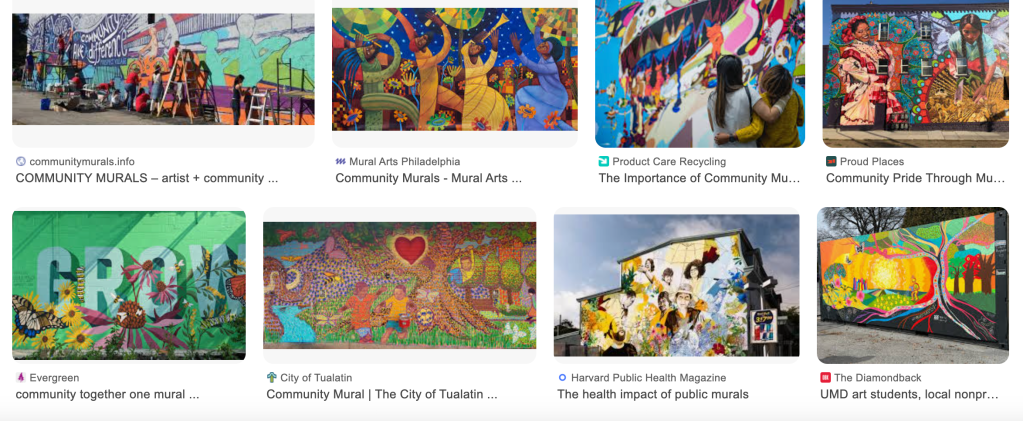
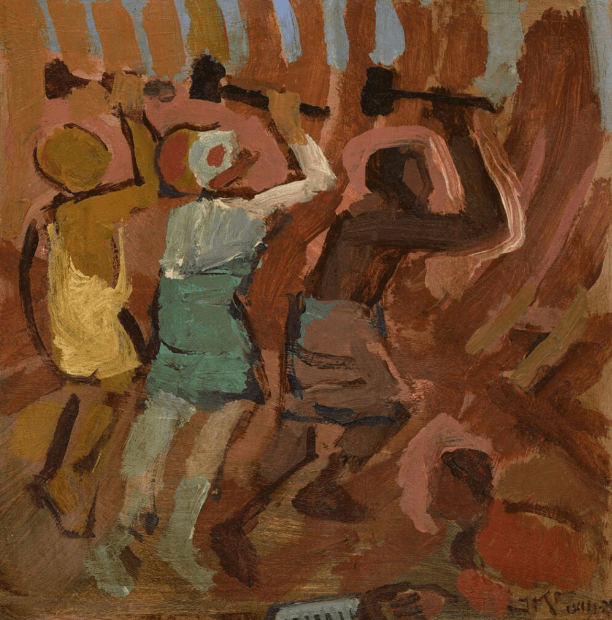
- Look at some of these community murals and discuss
- What sort of community do you see here?
- How are they working together?
- How does the image make you feel?
- What things stop unity from happening? Have you experienced something like this?
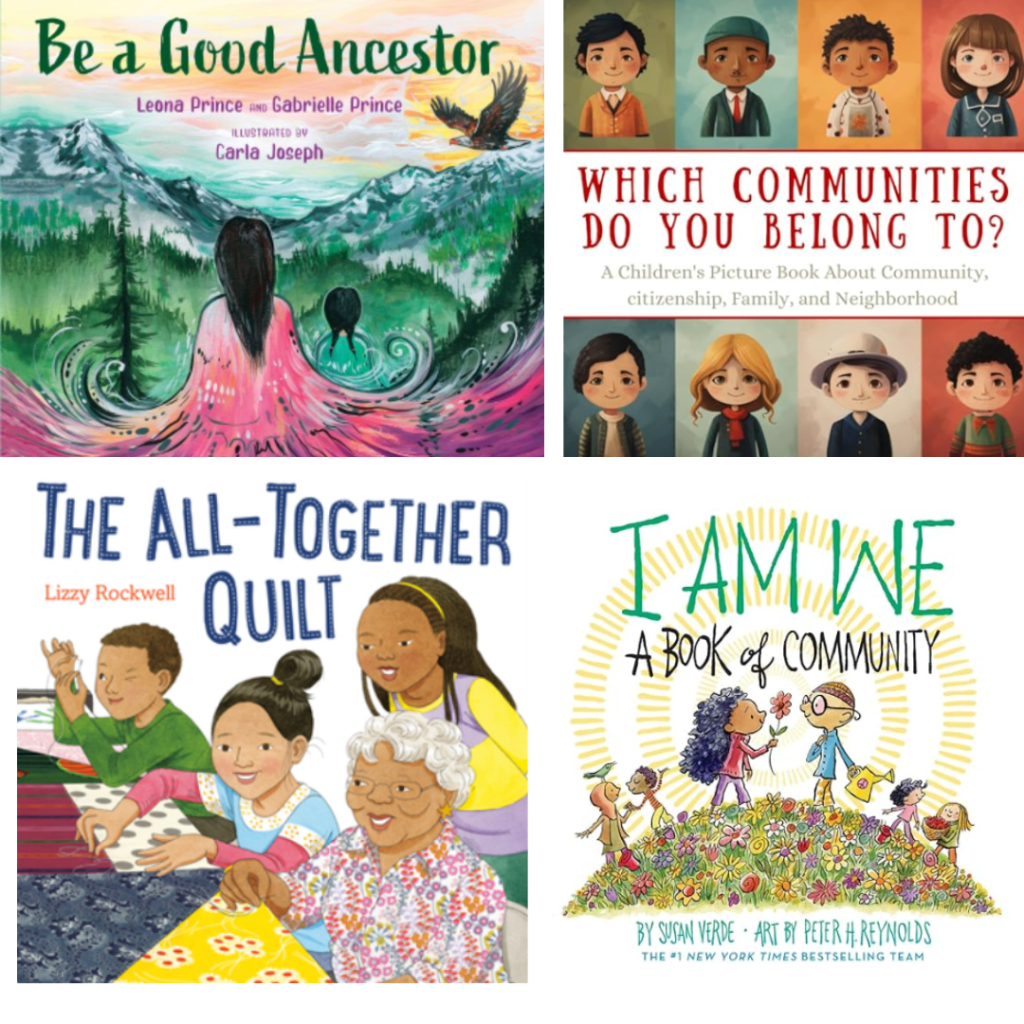
- Try the following books about community:
- What does it mean to be a spiritual community?
- Do you feel United at church?
- Why or why not?
- What do you think was special about the unity in 4 Nephi?

- Draw some pictures of community
- What breaks community? What happened to the Nephites? Discuss as a family
Poetry
Compiled by Caroline
Fire and Ice
By Robert Frost
Some say the world will end in fire,
Some say in ice.
From what I’ve tasted of desire
I hold with those who favor fire.
But if it had to perish twice,
I think I know enough of hate
To say that for destruction ice
Is also great
And would suffice.
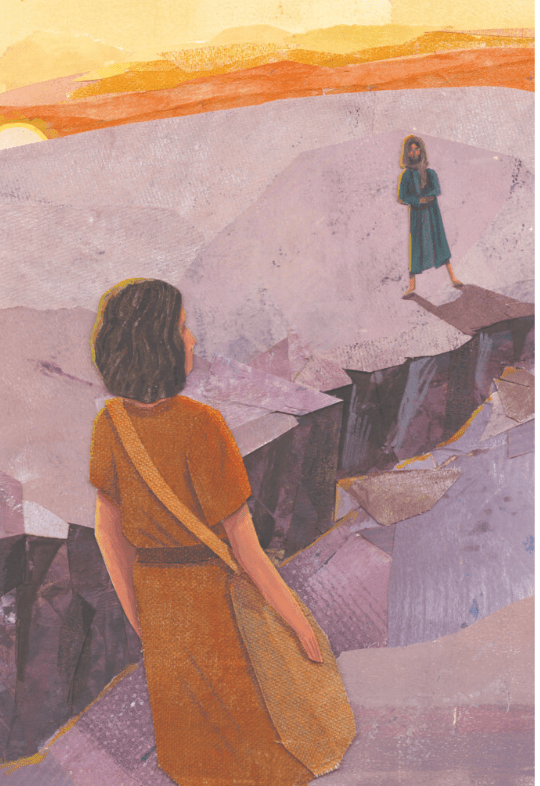
Art
Compiled by Caroline
Music
Compiled by Caroline
 milk & honey mamas
Leave a comment