

Contributed by Kristen
I had my first baby in March 2020, just as the pandemic lockdowns began. About a year later, I remember reading the words of another woman who became a mother around the same time. I don’t remember her name, but I remember what she said: “I had become this totally different person and nobody knew.” It brought me to tears because I resonated. I got it.
I think narrative has healing power not just because of this “me too” factor, but because it encourages and cultivates empathy. When we read other people’s stories, we are inclined to settle—even just a little—into another being’s shoes, like we’re trying on a new pair. It’s sort of like playing dress up; we know we can slip them back off and step back into our own, but for a moment, we can imagine what it’s like to be Stellaluna flying through the night sky with beams of light shooting from her eyes.
Some stories, of course, have staying power. We slip into them and they stick, glitter on our fingers. We find ourselves changed for the experience of imagining another world. We find ourselves cracked, wide enough to house another consciousness, another set of worries, of dreams, of hopes, of perspectives on being alive. I think we all carry ghosts with us from the stories we’ve ingested, the ones we inherit and believe in whose residue stains our fingertips and settles within us like the smell of curry cooking in the kitchen. And so we can call on stories the way we call on ancestors to come to our rescue. We call on them to explain, to make sense, to deliver us from danger.
I wonder what it was like for Moroni to encounter the stories of Ether. To find, at the end of his world, that it had ended before. And this is what’s so astonishing to me about the story of Ether, nestled into the book as though a stray recipe tucked into the corners of an old cookbook: after apocalypse, birth.
Josh and Sarah Sabey write about this in the Book of Mormon storybook. This is how they interpret the book of Ether:
And Ether and the prophets told the people that loving the world is not loving one part of it, or just the beaches, or just the sunlight. But to love all of it as it passes by. The rocks and the snow, the seeds and the flowers, the bees and the honey…Because loving the world is like hugging a person. You savor the moment, you hold it against your chest, you breathe in and smell it and love it. And then you let it go.
It’s not clinging to the world, hiding from the specter of death. And it’s not fleeing the world seeking another. It’s care for the world. Investment. As Charles Inoueye puts it, it’s raking. Every day, the same gestures. Every day the same cycles of mess, nourishment, need, fulfillment. Everyday life must be sustained, but every day, life continues.
The prophet Ether famously writes: “Wherefore, whoso believeth in God might with surety hope for a better world, yea, even a place at the right hand of God, which hope cometh of faith, maketh an anchor to the souls of men, which would make them sure and steadfast, always abounding in good works, being led to glorify God” (Ether 12:4). I have always read Ether suggesting a two-world view; that having faith allows the believer to transcend this world for hopes of a better one with God. But Josh and Sarah read it differently. They think Ether is not dichotomizing the world where God resides and the world we inhabit. It’s the same world. Faith bridges the divide. Faith draws us to care. Faith compels us to create the world where God’s face shines from rocks and trees and people, illuminated in the glow of movement.
This verse, according to the story, comes from a prophet witnessing the destruction of his civilization in entirety. No one is even left to carry the record on. It survives, elemental, to be found as an artifact of a time barely imagined. Whoso believeth in God might with surety hope for a better world. And it ends. No mortal eyes behold the final scene. Alone they decay, bodies strewn on the earth. Alone they return to the dust from whence they came. Whoso believeth in God might with surety hope for a better world. And Moroni knows he will die. He sees the final gasps of his own civilization. He sees the end of the world. And he sees another world, snuffed out like a candle in the night. Does he hope, when he sees it has happened before? Does he ache? Does he cry for the people, or does he curse the choices he sees repeated before him? How does Moroni interpret the verse Ether leaves in his metallic testimony? We cannot know, of course, but we do know this: Moroni does not hope for his people. He knows he will die with no one to bury him, and no one to take the record he and his father has left. But he does not end the record in despair. He trusts, at last, the earth. The Mother, the dust of our creation which mercifully swallows the rotting bodies laid upon her, takes the record of this broken family. She holds it on her tongue, tasting the stories of hope and fear and faith and mystery, until a boy finds it on a day the world is new again. The boy does not know the stories the bones beneath his feet tell. But the earth does. The earth holds every mystery too solemn to guess at.
So this time when I read Ether, I read through the eyes of Moroni. Whoso believeth in God might with surety hope for a better world. I close my eyes and feel the stories beneath my feet, the stories in my hands, the stories in my body. I too see people pulled apart, blood turning on blood. I too see anger, hate, and despair. And I see that it has already been. The family broken, pulled apart, violence and utter extinction. Again the family broken. And again. Again. Again. Still, the earth holds them. Still, their bones tell their stories. Still, the world calls me.
I have ingested these stories. The ghosts call me, singing the songs of love and redemption and healing, singing from the body of God. I believe what I do with the stories and their ghosts matters. And I believe I can rise to them, with them, for them, and they for me. I can hope. I can care, steadfast as the mountain before me. This is our home, the trees bearing witness to time before memory. And God, light upon light upon light, shines from the depth of the valley. I almost missed it. There is no border.
Ideas for Play
Contributed by Kristen
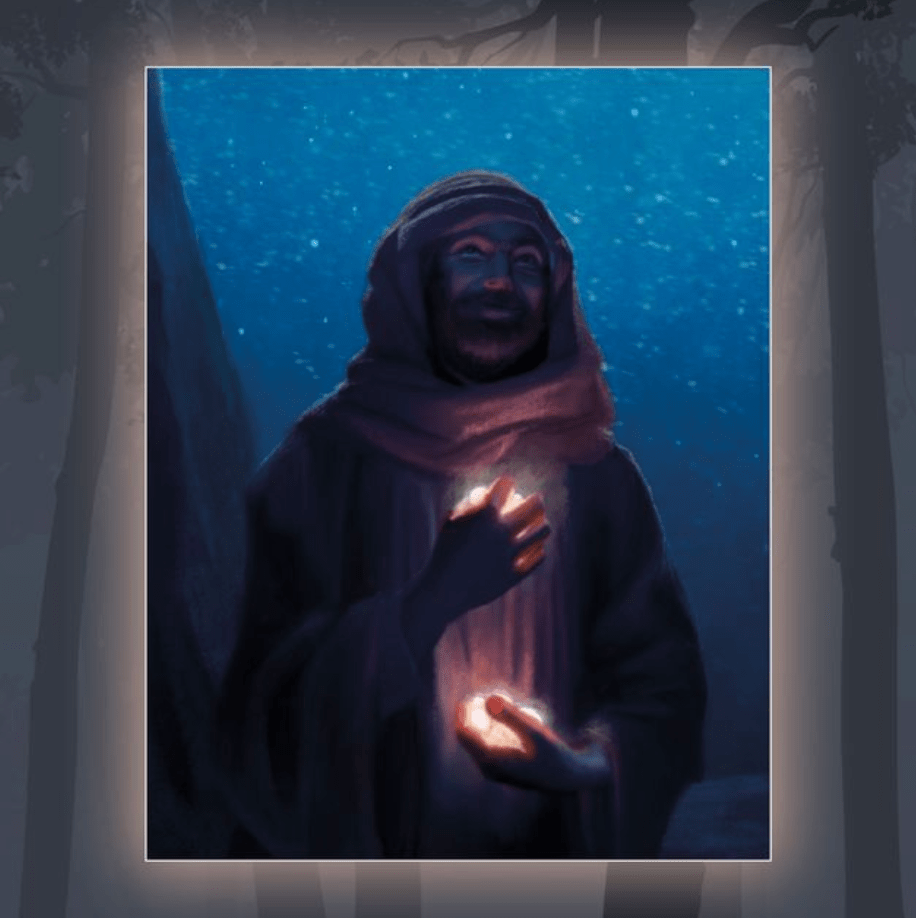
- Have you ever felt alone in the dark, either literally or metaphorically? How did God help the people of Jared? How does God help you?

- Read from the Book of Mormon storybook!
- Have you ever read a story that healed you? Why?
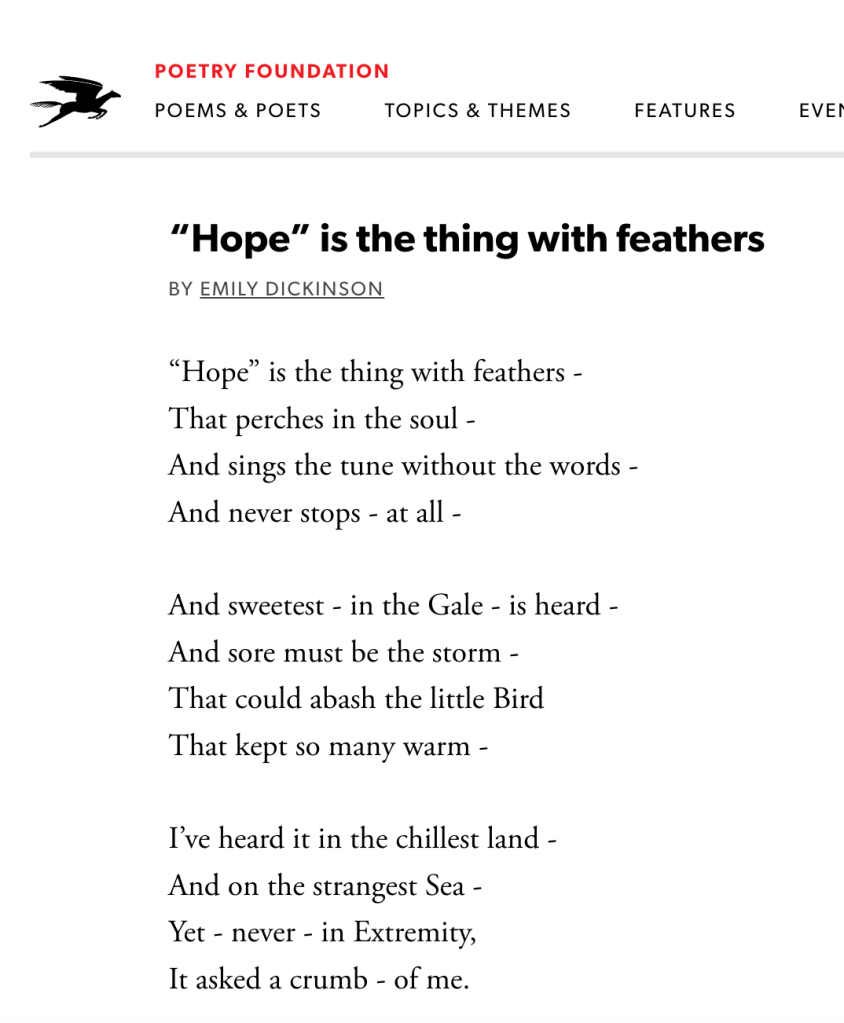
- What is hope? Read this Emily Dickinson poem and discuss. How did the brother of Jared practice hope? How did the prophet Ether practice hope? How did Moroni? How do you?
- What sort of world do you hope for? What do you want to work for in this world?
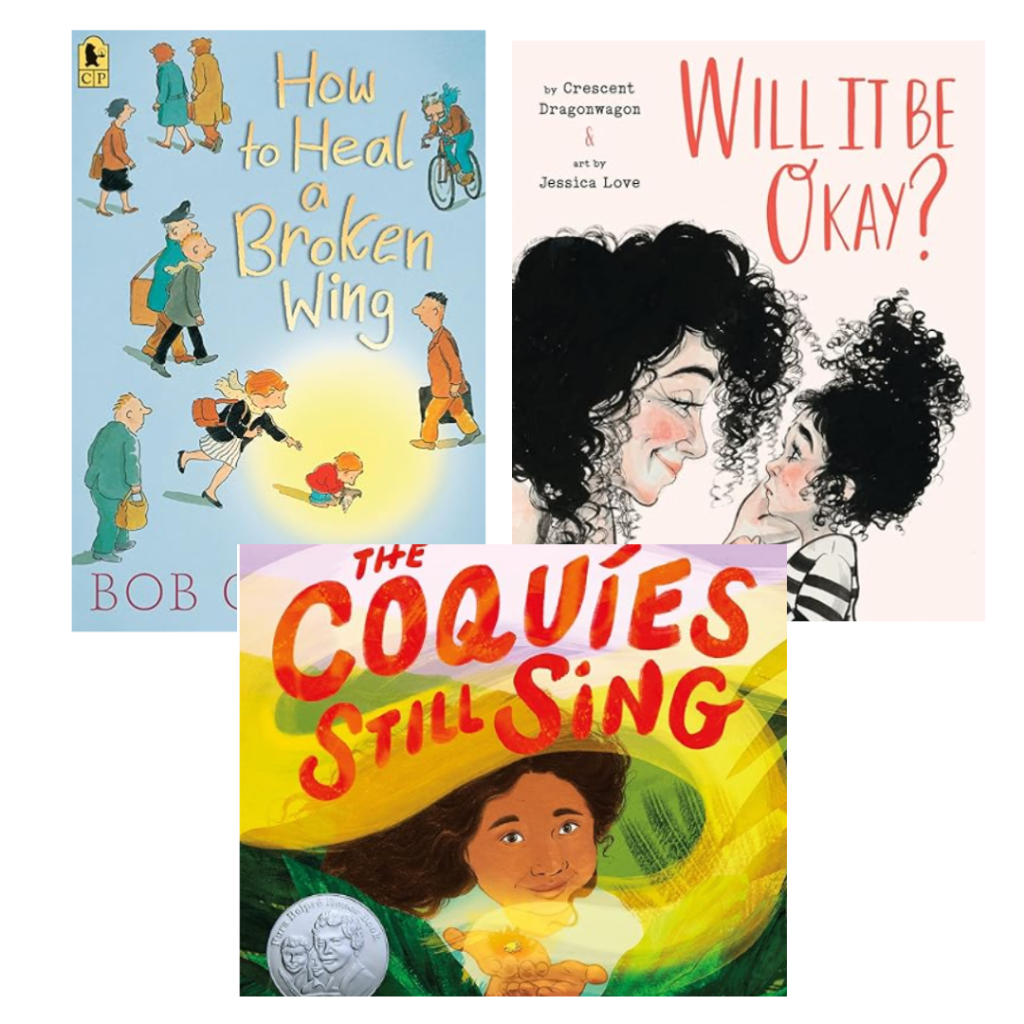
- Read some books about hope:
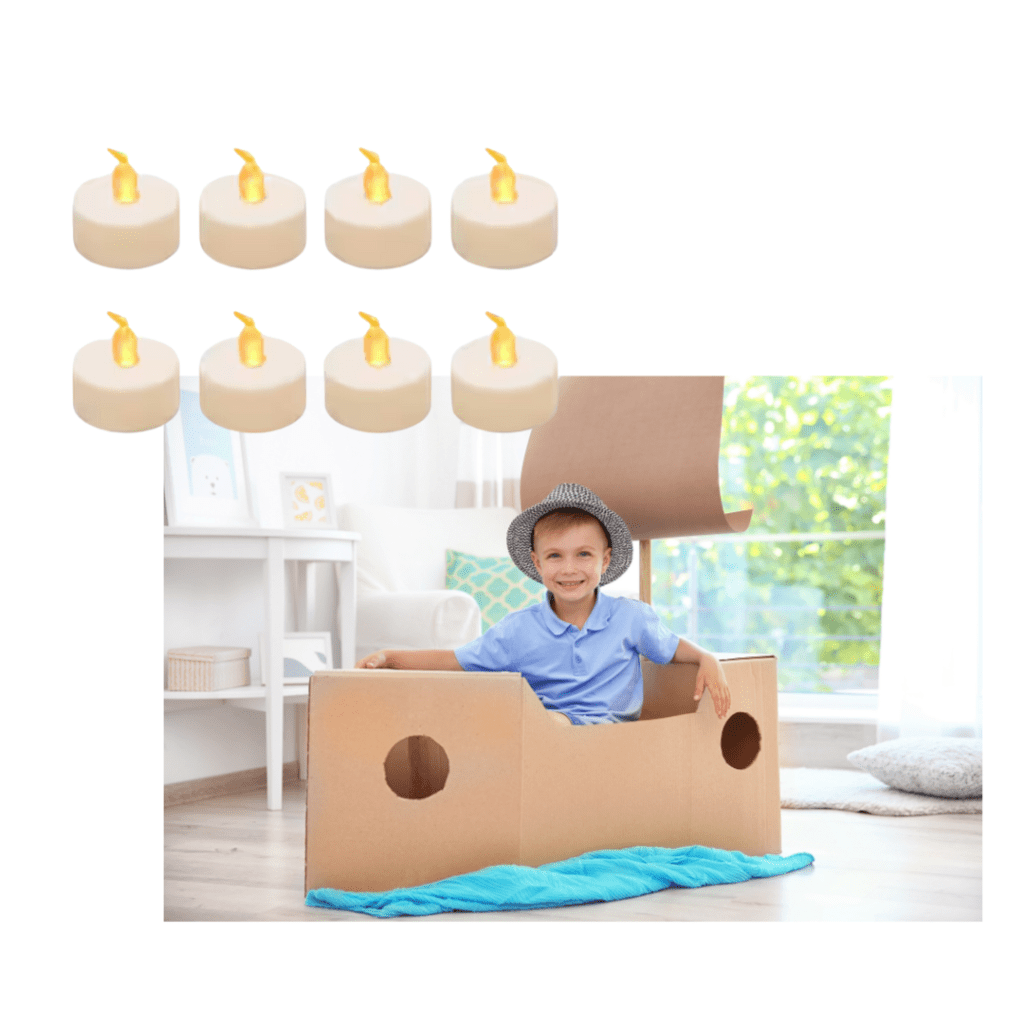
Act out stories from the book of Ether (turning the stones to light is especially fun. Try using electric candles for the lights and then build a boat out of a cardboard box or cushions).
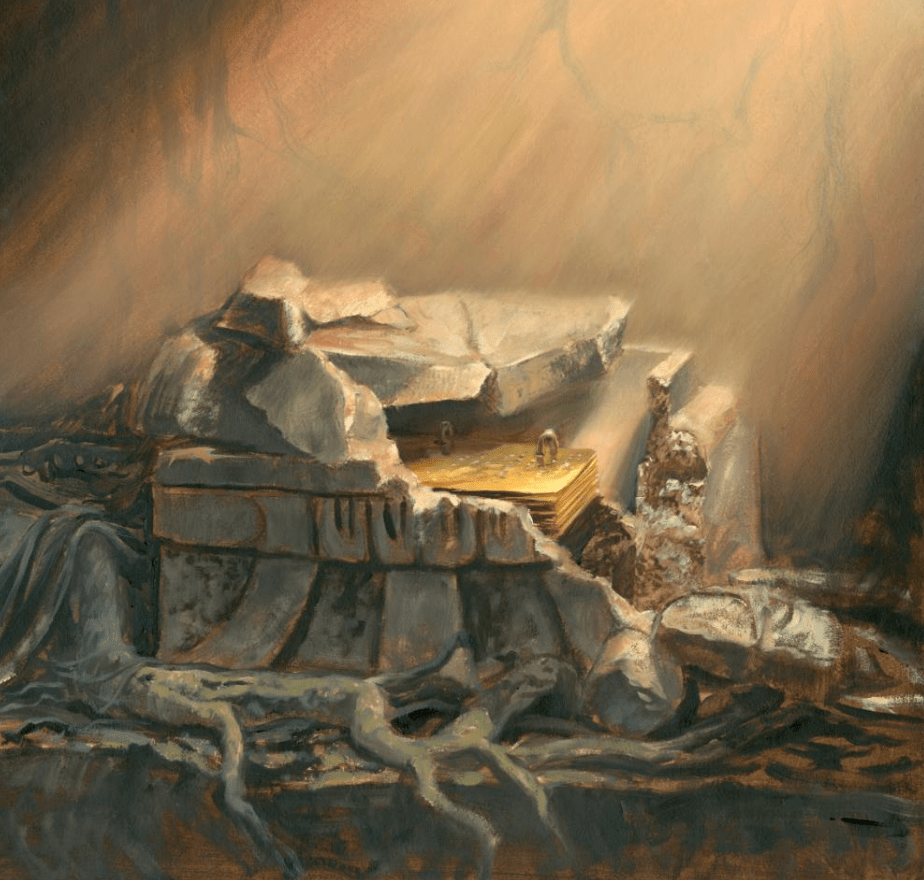
Artwork
Compiled by Caroline
Poetry
Compiled by Caroline
Perhaps the World Ends Here
By Joy Harjo
The world begins at a kitchen table. No matter what, we must eat to live.
The gifts of earth are brought and prepared, set on the table. So it has been since creation, and it will go on.
We chase chickens or dogs away from it. Babies teethe at the corners. They scrape their knees under it.
It is here that children are given instructions on what it means to be human. We make men at it, we make women.
At this table we gossip, recall enemies and the ghosts of lovers.
Our dreams drink coffee with us as they put their arms around our children. They laugh with us at our poor falling-down selves and as we put ourselves back together once again at the table.
This table has been a house in the rain, an umbrella in the sun.
Wars have begun and ended at this table. It is a place to hide in the shadow of terror. A place to celebrate the terrible victory.
We have given birth on this table, and have prepared our parents for burial here.
At this table we sing with joy, with sorrow. We pray of suffering and remorse. We give thanks.
Perhaps the world will end at the kitchen table, while we are laughing and crying, eating of the last sweet bite.
Music
Compiled by Caroline
 milk & honey mamas
Leave a comment