

Contributed by Kristen
D&C 10 follows the story of the 116 lost pages, a story whose details remain mysterious. We do know that the incident involved Martin Harris and his wife. The text of the revelation circumvents Harris’ spouse; the words are directed to and dealing solely with the men involved in translation. But on the periphery of this endeavor, as is the case in many related endeavors, unnamed women lurk. In this case, the women are the wives of the translators, Emma Smith and Lucy Harris.
Though she handled, protected, and sometimes transcribed translations from the gold plates, Emma Smith was never a physical witness, despite her fervent and frequently stated desire (see here and here).
Lucy Harris, despite her well-known quarrel with her husband over the translation process and their eventual divorce, was actually the first financial supporter of the translation after an angelic visitation. Her later qualms and attempts to see the plates are associated with the eventual loss of the 116 pages and the resulting revelation.
I sympathize with Emma and with Lucy. It is one thing to note that the faithful must wait for the voice of God, but why is it so often women and other marginalized people who put their desires, hopes, and wishes on hold waiting at the behest of those in authority and upon those on whom they are dependent?
What happened here? Was this whole ordeal a sin on Joseph’s part (as it is sometimes represented)? On Lucy’s? On Martin’s? Is someone at fault, or is everyone helplessly connected, tied, and implicated with one another? The loss happened just before an early birth and subsequent death of one of the Smith’s children, an ordeal from which Emma herself barely recovered.
The point I am trying to make is that history is messy. Declaring victors and foes is the result of perspective, which is always and definitionally limited. Upon this messy scene, I ask a blessing of a bigger, wider perspective than what we have been left. I ask a blessing of spaciousness for the hurt, confusion, and limitations of everyone involved. I ask a blessing of patience for the context, and apology for the agony of waiting for those whose stories hung in the balance. I ask a blessing on my own body, wounded by the circles I have been left out of, and my eyes which often jump to hurt. I ask to be able to hold it, and to move with it, as all stories are so layered.
Ideas for Play
Contributed by Kristen
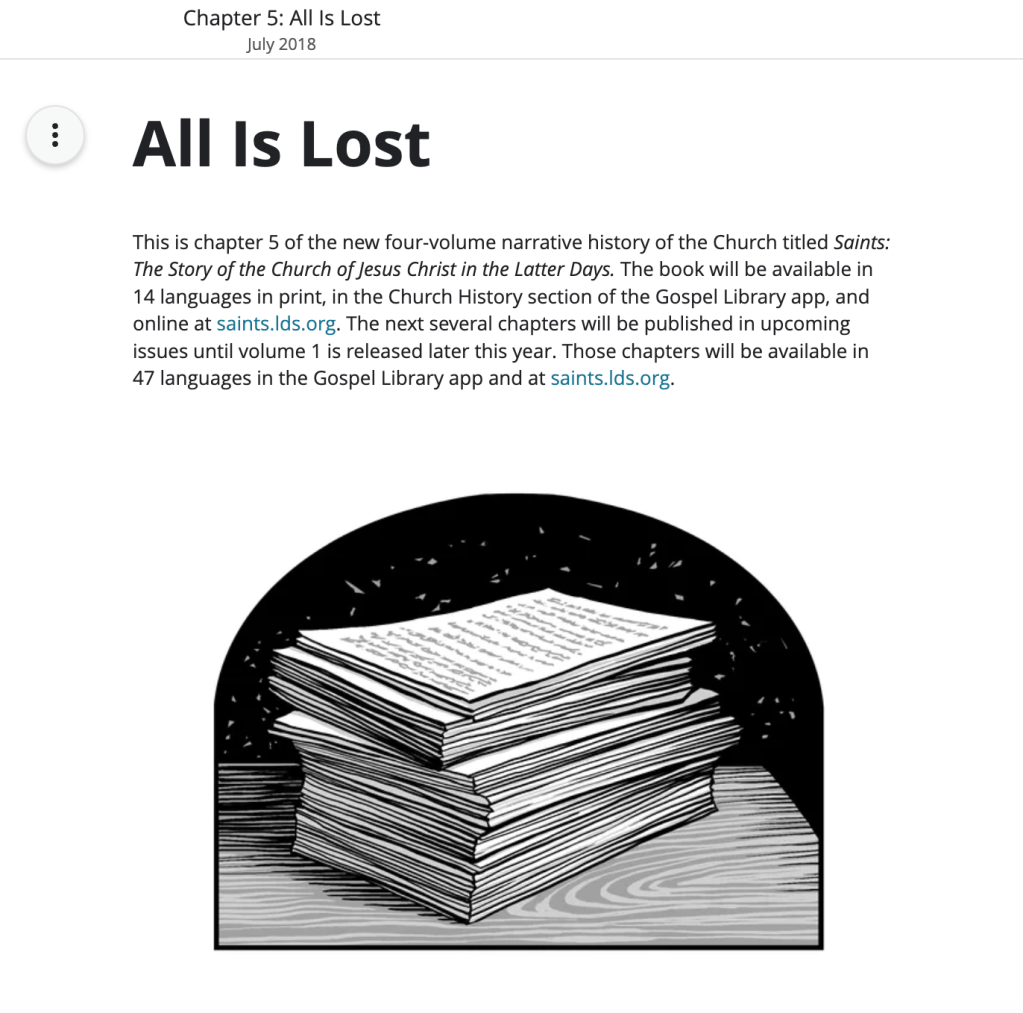
- Read this telling of the story from Saints
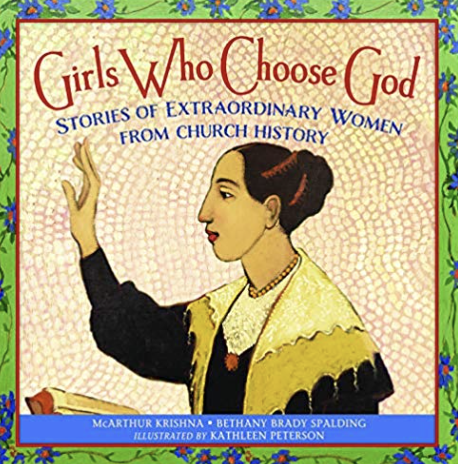
- Introduce Emma Smith from Girls who Choose God
- Introduce Lucy Harris!

- Read The Book of Mistakes and talk about what a mistake means. Do you think God punishes us for making mistakes?
- What does it mean to be a witness? Is being a witness different than just seeing something?
- Try this Bible Project video about being a witness
- How can you be a witness?
- What do you want to be a witness of? How do you want to witness
- Ideas: I want to be a witness of the earth, of my family, of Jesus, of the Book of Mormon.
- Draw pictures of what you want to witness
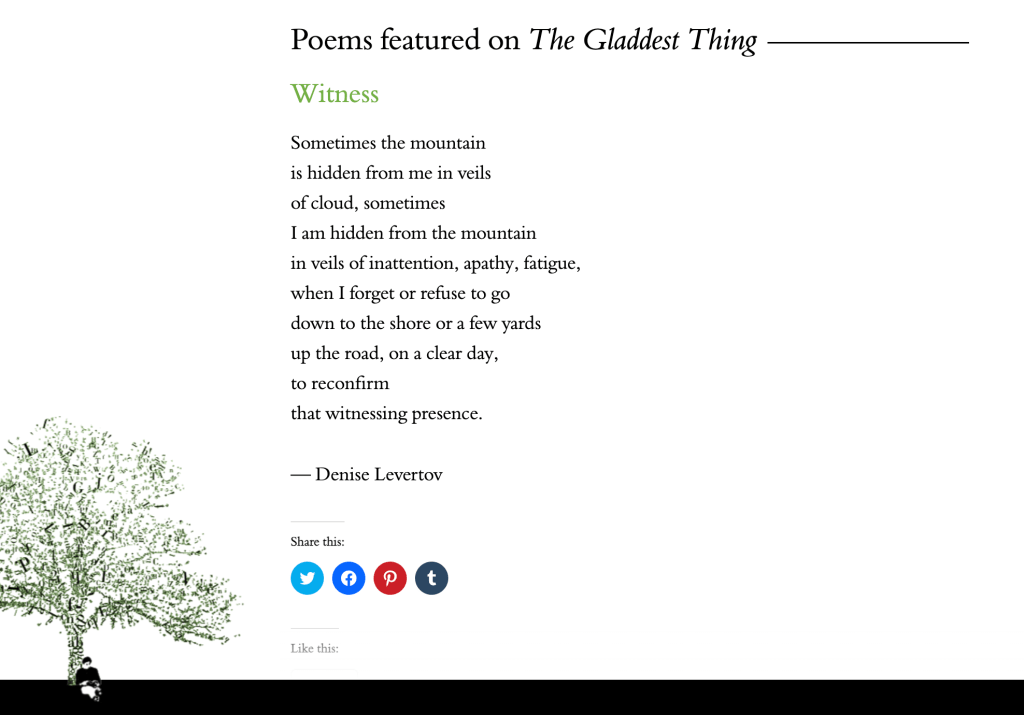
- Read this Denise Levertov poem
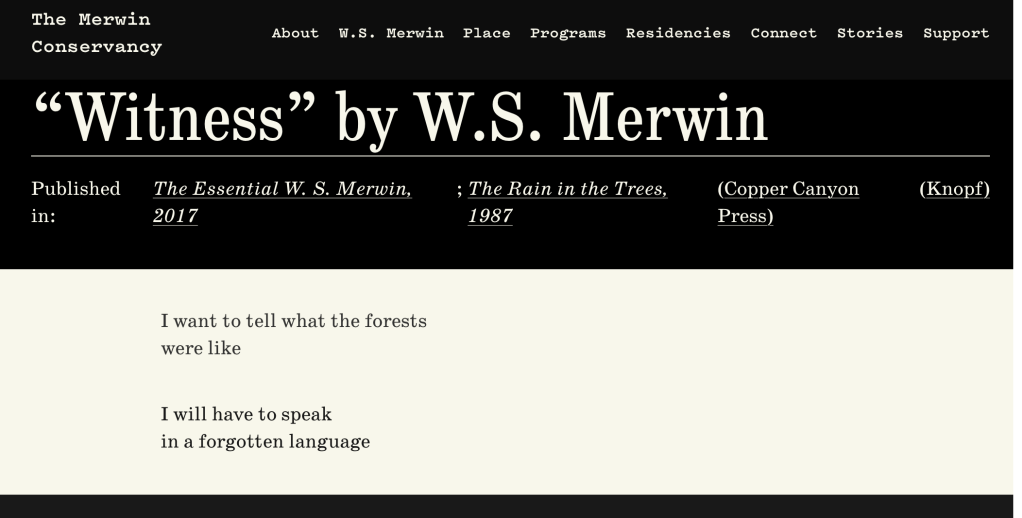
- Read this W.S. Merwin poem about witnessing
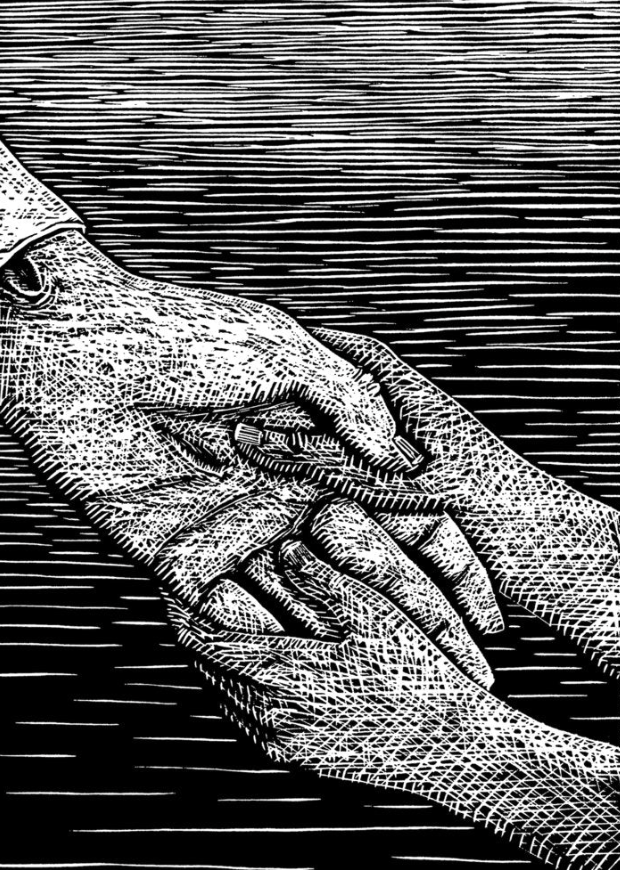
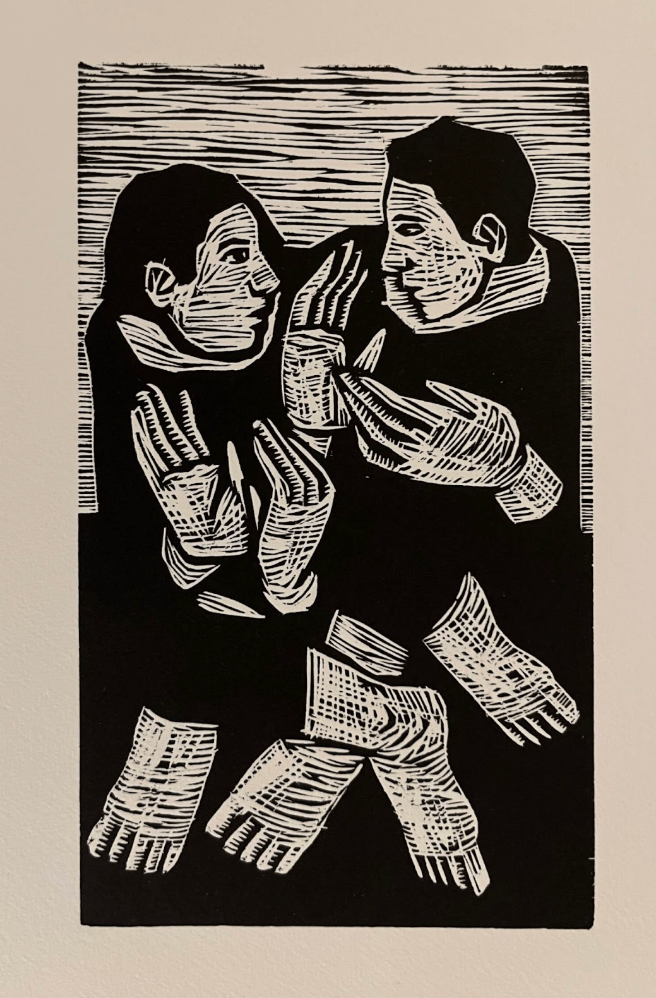
Artwork
Compiled by Caroline
Music
Contributed by Caroline
This is a good song to talk about how we can witness another person. What can it look like to be a witness in this context? How does Jesus witness us?
Poetry
Compiled by Caroline
by Denise Levertov
Sometimes the mountain
is hidden from me in veils
of cloud, sometimes
I am hidden from the mountain
in veils of inattention, apathy, fatigue,
when I forget or refuse to go
down to the shore or a few yards
up the road, on a clear day,
to reconfirm
that witnessing presence.
 milk & honey mamas
Leave a comment