
Contributed by Kristen
I guess it’s musicals for me, lately. I’ve got Hamilton on my mind: “who lives, who dies, who tells your story?”
It’s a compelling question. History, of course, is written from the perspective of the victors. The story could always be told another way, from another perspective, in a different voice.
The narrator of Lot’s wife’s story, for example, does not even find it necessary to give the character a name aside from her relationship to her husband. Here’s her story in the NIV translation:
23 By the time Lot reached Zoar, the sun had risen over the land. 24 Then the Lord rained down burning sulfur on Sodom and Gomorrah—from the Lord out of the heavens. 25 Thus he overthrew those cities and the entire plain, destroying all those living in the cities—and also the vegetation in the land. 26 But Lot’s wife looked back, and she became a pillar of salt.
This isn’t a whole lot to go on to frame a narrative. The backdrop story, featuring the politics of men in which women feature as expungeable properly, is fraught with ethical and religious tensions which have been understood in a variety of ways. Today I’m primary interested in the last little verse, almost a throwaway: “but Lot’s wife looked back, and she became a pillar of salt.”
I imagine I’m not the only one who has heard hermeneutical interpretations of this passage elaborating on the extent of Lot’s wife’s wrong. She was not truly converted, her heart was set on her riches and wicked ways, she did not have sufficient faith. Our lives, however, in their myriad complexity, beg us to return to this story.
Why do any of us look back? Who among us does not have some divided loyalties? Are there any among us who love no one but those we entirely agree with, those we completely understand? Why must we look in judgement at those who linger at the doorway? Do we not also mourn the suffering that comes unbidden?
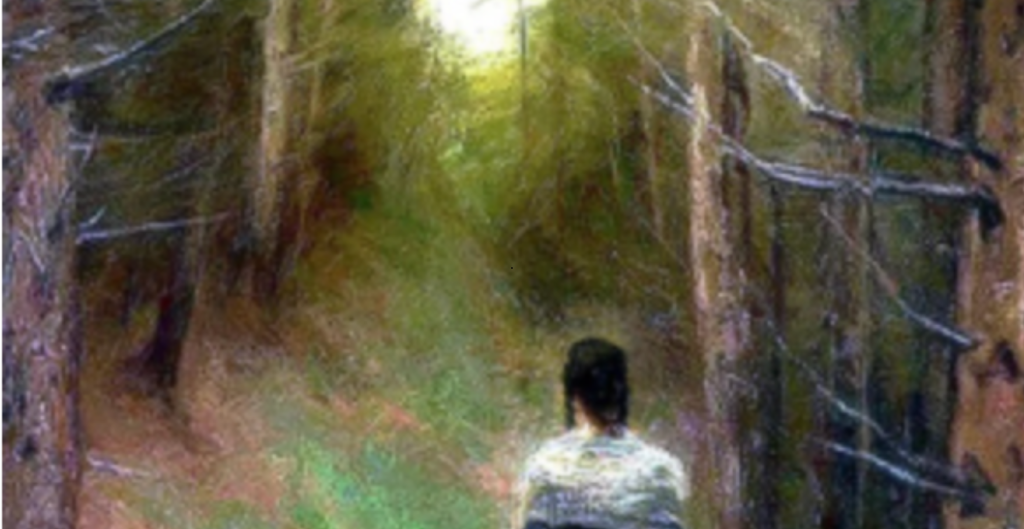
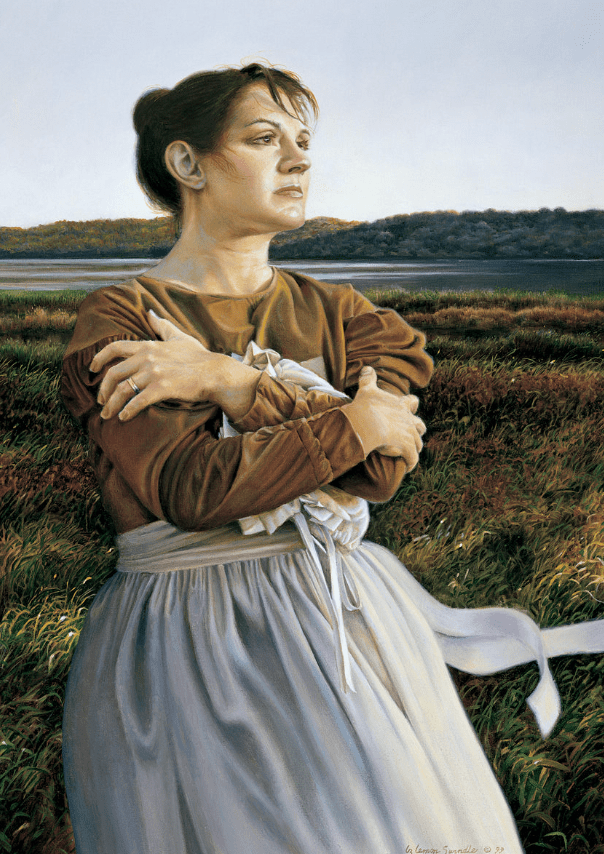
Emma Smith looked back. She also looked forward. Perhaps primarily, she looked straight ahead, and around her. We have many interpretations of her and her choices through the male authorities who surrounded her, including revelation imparted through a mediary. But Emma learned as she lived to trust her own intuition. She did not agree with her husband on his every theological development. She did not follow the saints to Zion. She went her own way.
Who lives, who dies, who tells your story?
A blessing for Emma and Lot’s wife and all those who look back:
We are not salt, though our cheeks betray the taste. Touch me. You will find I am whole, a pillar, not dissolved in the words of your story.
You recoil from the sorrow, enough to fill oceans.
We look back for our children. We look back for our mothers. We look back for the ones who could not climb the mountains over the sea.
Your words are a bird but we are flesh and blood.
Salt of a woman bleeds.
We are salt. We ask where we are going. We ask where we have been.
We ask who you obey, and why.
We will not be statues etched on the landscape, pointing to the valley of shadows.
We will live, and carve pathways through the stone.
We will bring those left behind.
We will be those who stay behind to make new ways.
For salt does not lose its savor.
It comes from the sea.
Ideas for Play
Contributed by Kristen

- Learn about Emma Smith! Read about her in Girls Who Choose God and Standout Saints
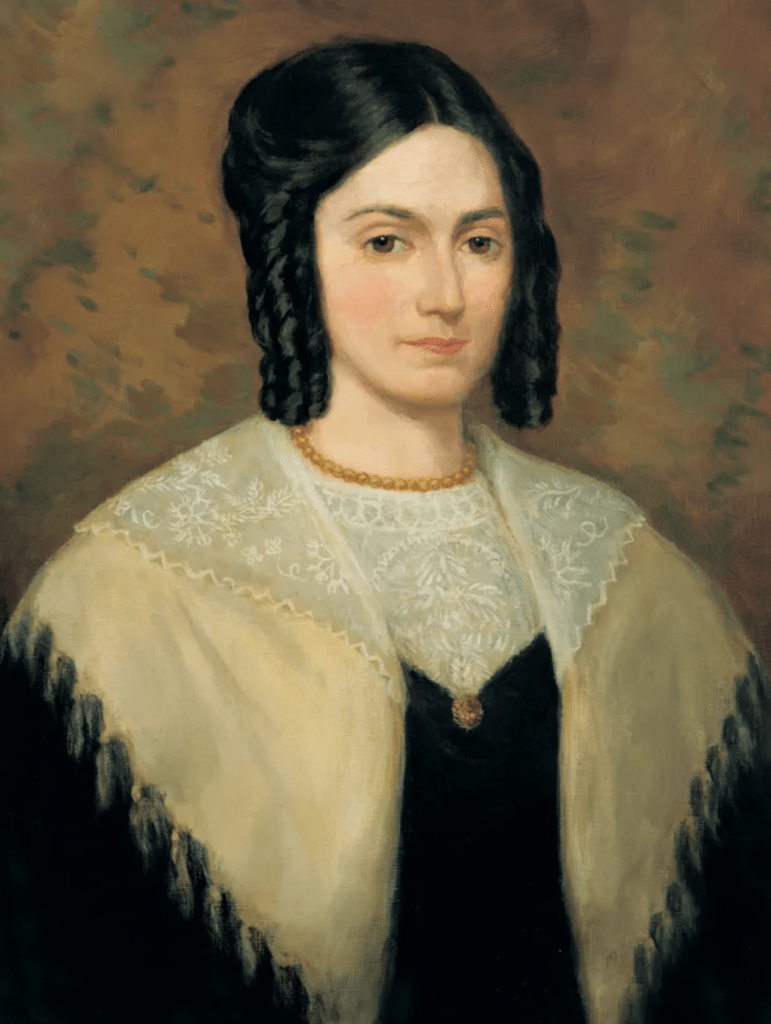
- Read this overview of Emma’s life
- Tell the story of Lot’s wife and explore what’s missing. Talk about how stories are made and why we ask questions.

- Explore some of Emma’s teachings here (also in At the Pulpit)

- Emma Smith coloring page
Artwork
Compiled by Caroline

Music
Compiled by Caroline
 milk & honey mamas
Leave a comment