

Theological Background by Kristen
In a now famous TedTalk, the magnificent Chimamanda Ngozi Adichie speaks about the dangers of a single story. A single story is one with only one face, one dimension, one voice. A single story fills a vacuum proposing to be complete, offering a stereotype as a salve against fear and discomfort. But it is always incomplete. As Adichie says, “It robs people of dignity. It makes our recognition of our equal humanity difficult. It emphasizes how we are different rather than how we are similar.” Chimamanda Ngozi Adichie
And yet, one-dimensional stories remain incredibly alluring. We tell them about ourselves. We tell them about each other. We tell them across political lines, within families, and at church. We sometimes adopt single stories as theological mantras.
In the Book of Mormon, I’ve written quite a bit about what I see as single story narratives. As I’ve said before, this doesn’t mean they are not true stories. But being true and being complete are not the same things.
The record of Zeniff, sandwiched inside of the lengthy Mosiah narrative, suggests a writer who recognized and struggled against the dangers of single stories.
Opening the narrative, we read about Zeniff’s mission as a spy. We don’t get much of a window into young Zeniff’s experience, but we do get this:
I, Zeniff, having been taught in all the language of the Nephites, and having had a knowledge of the land of Nephi, or of the land of our fathers’ first inheritance, and having been sent as a spy among the Lamanites that I might spy out their forces, that our army might come upon them and destroy them—but when I saw that which was good among them I was desirous that they should not be destroyed. (9:1)
The rest of his record concords with and struggles against this sentiment. Initially, he hopes for a treaty relationship. Recording years after the events, he notes the Lamanite King’s long-reaching plans against his people. But Zeniff’s treatment of the Lamanites as a whole remains complex. His written treatment of them vacillates – he records that they are lazy and idolatrous without knowledge of (his) God, but he also takes the time to record that he himself helped to bury their dead. Later, he painstakingly records the legacy of their deep resentment toward the Nephites, a legacy which to him explains their continual hatred of their once brethren. From a psychological perspective, I don’t think we’d be amiss to read intergenerational trauma into the mix.
The Nephites are complicated. Zeniff’s record begins with a genocidal bloodbath. The Lamanites are complicated too. And the relationship between the two? Complicated. On all sides, the writers appear to be making sense of it in their own ways. Enos claims the Lamanites as his brethren. Zeniff, to an extent, does too. King Limhi calls them his enemies. Ammon claims affinity with Limhi’s people, but doesn’t directly mention the Lamanites.
All of this is interpreted theologically (which is of course different from a political, literary, or anthropological interpretation) in what we read in the Book of Mormon. Limhi, we read, declares that “if this people had not fallen into transgression the Lord would not have suffered that this great evil should come upon them” (Mosiah 7:25). Interestingly, this claim doesn’t seem to bear much weight through Zeniff’s story, much less the rest of the account of this people that will follow. It doesn’t seem to bear the weight of the Jaredites, whose bones are scattered on the adjacent land. It doesn’t seem to bear the weight of a book filled with complicated, sometimes contradictory, messy, multifaceted stories. Faced with this almost incomprehensible messiness, King Limhi and his people laugh and cry (Mosiah 25). They shrink with shame and grief at the conduct of their ancestors; they mourn their dead; they yearn for community; they rejoice in the heroism and piety of their foremothers and fathers. All they can think to do is try. They want to be baptized.
Where does the story waver, becoming razor thin? Why do we tend to read it singularly? When we read it whole, we laugh and we cry. We don’t quite know what to do. That’s a true story.
Ideas for Play
Contributed by Kristen
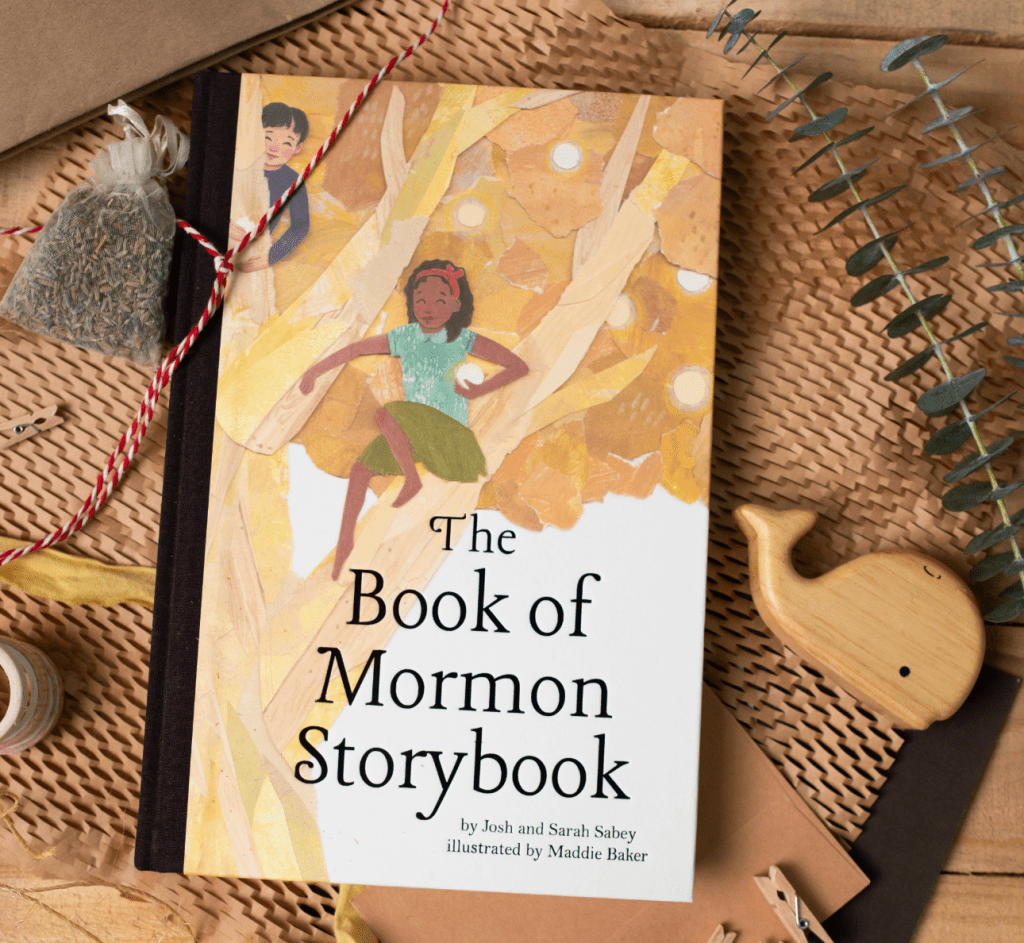
- Read from the Book of Mormon Storybook!
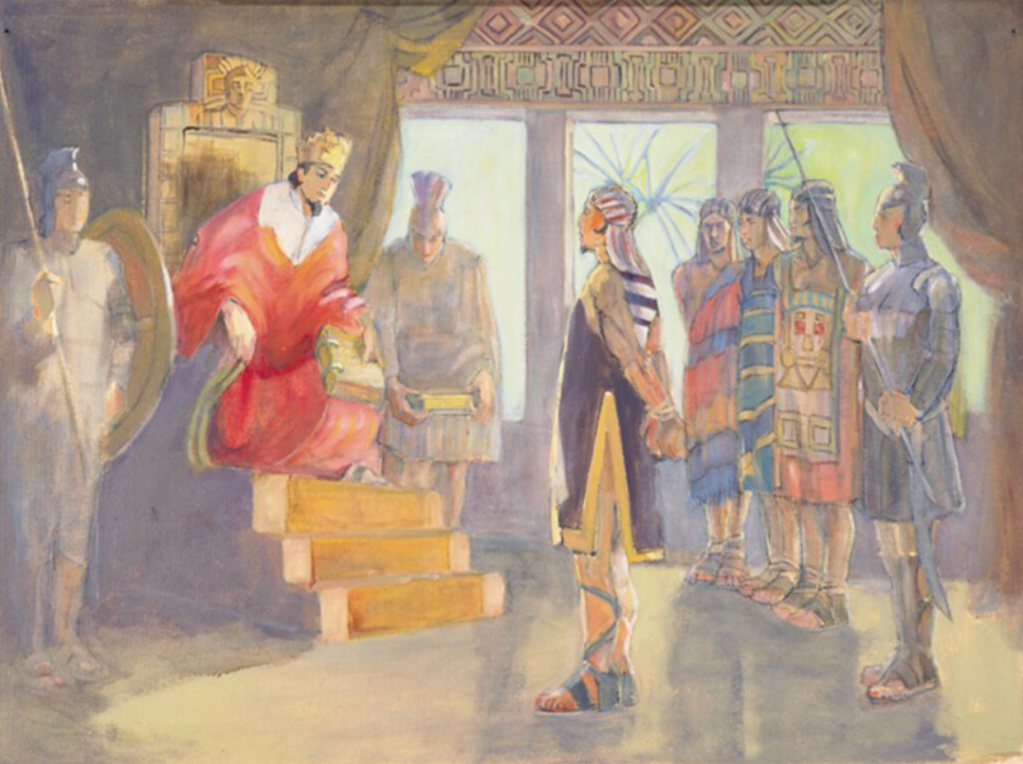
- Act out the story of Ammon and company being captured and brought before King Limhi! (this is HIGH drama!)
- Read some of your favorite stories. Maybe tell stories of your ancestors. How do they make you feel? What do they make you want to do/be?
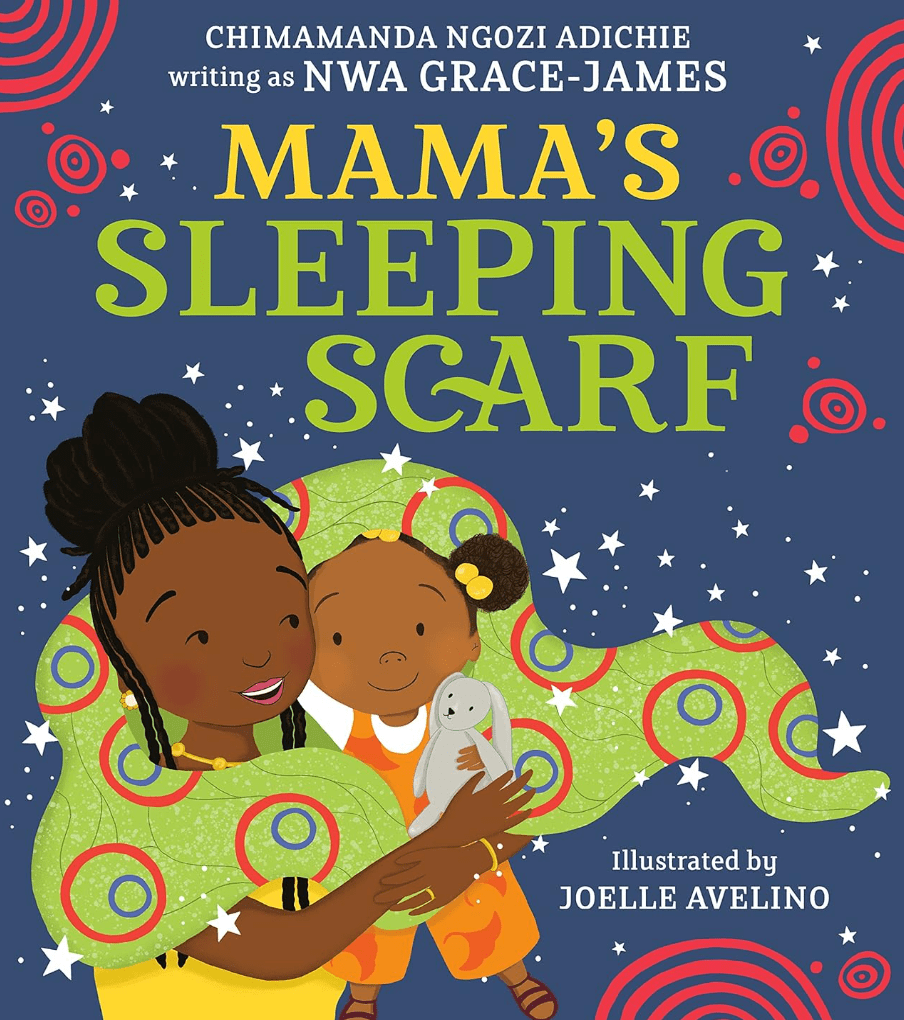
- Read Mama’s Sleeping Scarf by Chimamanda Ngozi Adichie

Read a brief theological introduction to Mosiah by James Faulconer
- Interesting essay by Nathan Arp
Art
Compiled by Caroline
Poetry
Compiled by Caroline
Faces
I have seen a face with a thousand countenances, and a face that was but a single countenance as if held in a mould.
I have seen a face whose sheen I could look through to the ugliness beneath, and a face whose sheen I had to lift to see how beautiful it was.
I have seen an old face much lined with nothing, and a smooth face in which all things were graven.
I know faces, because I look through the fabric my own eye weaves, and behold the reality beneath.
Music
Compiled by Caroline
Precious Life III, Scripture Lullabies
 milk & honey mamas
Leave a comment